|
4.5 على
توصيل مجاني للطلبات فوق SR 400
اختاري باقتك المفضلة ووفري 25%
|
20,000تقييم
|
يوصي به أكثر من 300 أخصائي تغذية

تم تطبيق خصم 10%

الرئيسية تعلّم ما هو الأستازانتين: الفوائد والمخاطر وطريقة الاستخدام [مراجعة أخصائي تغذية 2025]

مشاركة

الرئيسية تعلّم ما هو الأستازانتين: الفوائد والمخاطر وطريقة الاستخدام [مراجعة أخصائي تغذية 2025]

ما هو الأستازانتين: الفوائد والمخاطر وطريقة الاستخدام [مراجعة أخصائي تغذية 2025]

جدول المحتويات

اسم المكون Astaxanthin
يُعرف المكون أيضًا باسم

فيتامين X أو كاروتينويد زانثوفيلي1, 2

أشكال الأستازانتين المتاحة

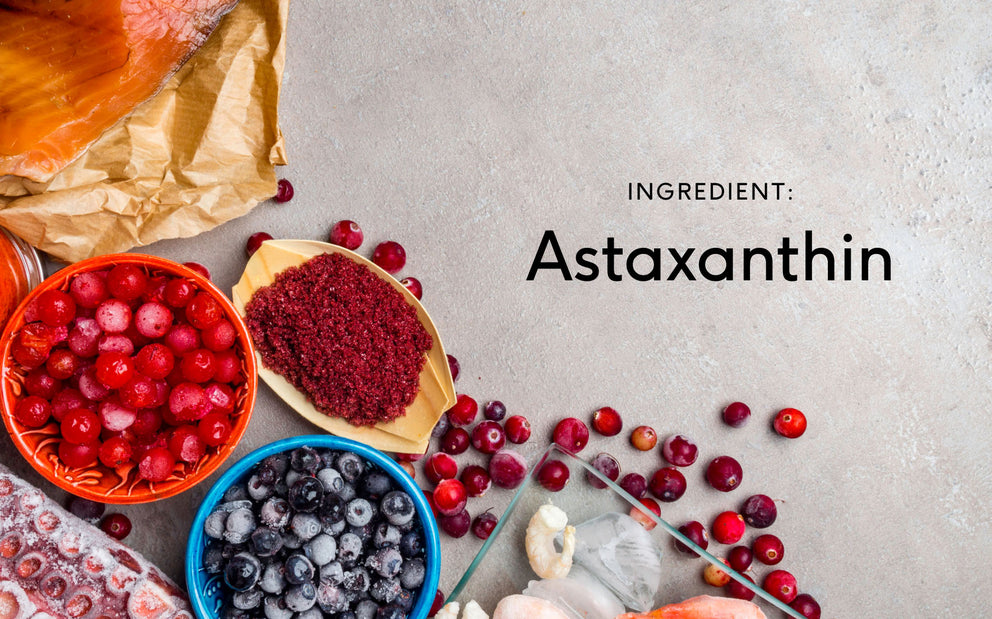
الأستازانتين كاروتينويد يوجد طبيعيًا في الطحالب والخميرة، وهو الصبغة التي تمنح السلمون والروبيان والتراوت والمأكولات البحرية الأخرى لونها الوردي3. وتُنتَج مكملات الأستازانتين التجارية من مصادر طبيعية مثل طحالب Haematococcus pluvialis بينما بعضها الآخر صناعي ويُنتَج من البتروكيماويات4, 5.

التوافر الحيوي المحتمل

للأستازانتين توافر حيوي فموي منخفض، مما قد يحد من إمكاناته العلاجية. ويمكن تعزيز توافره الحيوي في وجود الدهون6, 7,

قابل للذوبان في الماء أو في الدهون

الأستازانتين قابل للذوبان في الدهون، لذا ينبغي تناوله مع وجبة تحتوي على الدهون للامتصاص الأمثل.8

الفوائد الصحية المرتبطة بالأستازانتين

للأستازانتين خصائص كثيرة مضادة للأكسدة ويساعد في حماية الخلايا من الضرر. وقد يحسّن الأستازانتين أيضًا طريقة عمل الجهاز المناعي. ويستخدم الناس الأستازانتين لأغراض كثيرة، بما في ذلك مرض ألزهايمر والأداء الرياضي وشيخوخة البشرة وصحة العين9, 10

سنة اكتشاف المكون

حدد Richard Kuhn الأستازانتين وعزله من الكركند في عام 1938.11

يُستخدم الأستازانتين في الغالب في

تشمل الاستخدامات التقليدية لمكملات الأستازانتين12:

  • كمضاد للأكسدة
  • لعلاج عسر الهضم
  • لتحسين تحمل التمارين الرياضية
  • علاج ارتفاع الكوليسترول
  • علاج العقم لدى الرجال
  • علاج فرط ضغط الدم
  • علاج السكري
  • لتعزيز الوظائف الإدراكية
  • للحالات الجلدية مثل حروق الشمس
الجرعة الموصى بها

4-12 ملغ هو عمومًا نطاق الجرعة الموصى بها الذي استُخدم في معظم الدراسات السريرية (1.8-100 ملغ)7, 13,

المدخول المرجعي اليومي

اعتبرت لجنة FEEDAP التابعة لهيئة سلامة الأغذية الأوروبية (EFSA) أن المدخول اليومي المقبول (ADI) للأستازانتين هو 0.034 ملغ/كغ من وزن الجسم18

هل ينتج جسم الإنسان هذا المكون

لا

عمر النصف للأستازانتين

بين 5 و15 ساعة لجرعة 40 ملغ7

علامات نقص الأستازانتين

الأستازانتين ليس عنصرًا غذائيًا أساسيًا، لذا لا يوجد نقص معروف.

1. نظرة عامة: ما هو الأستازانتين؟

Astaxanthin صبغة حمراء/وردية تنتمي إلى مجموعة من المواد الكيميائية تُسمى الكاروتينويدات1 ويُعرف أيضًا بأنه كاروتينويد زانثوفيلي، وهو مستقلب ثانوي يُصنِّعه طبيعيًا عدد من البكتيريا والطحالب الدقيقة والخمائر2. ويمكن العثور عليه أيضًا في ريش الطيور، مثل السمّان والفلامنغو واللقلق، وكذلك في العكبر وهو مادة راتنجية يجمعها النحل12. وعلى خلاف الكاروتينويدات الزانثوفيلية الأخرى مثل اللوتين والزياكسانثين والكريبتوزانثين، لا يتحول الأستازانتين إلى فيتامين A12. وأظهرت الدراسات أن تناول مكملات الأستازانتين آمن، دون آثار جانبية كبيرة، على خلاف الكاروتينويدات الأخرى16.

ووُجد أن الأستازانتين يخفف أعراض السكري، ويقلل مخاطر متلازمة التمثيل الغذائي، وقد يوفر حماية من بعض أشكال السرطان. وقد يمنع الأستازانتين أيضًا تطور اعتلال الكلية السكري، ويخفف الخلل الوظيفي البطاني، وقد يحمي من أمراض القلب والأوعية الدموية. وقد يكون أيضًا الكاروتينويد الأكثر فعالية للمساعدة في الوقاية من أمراض العين، مثل التنكس البقعي المرتبط بالعمر6. وتشمل الحالات الأخرى التي قد يساعد فيها مرض ألزهايمر والعقم لدى الرجال والتهاب المفاصل الروماتويدي3. وتُظهر مقارنة الأستازانتين بمضادات الأكسدة الأخرى خصائصه المضادة للأكسدة المتفوقة:

  • أقوى 6000 مرة من فيتامين C
  • أقوى 800 مرة من الإنزيم المساعد Q10
  • أقوى 550 مرة من كاتيكينات الشاي الأخضر
  • أقوى 550 مرة من فيتامين E
  • أقوى 75 مرة من حمض ألفا ليبويك (ALA)
  • أقوى 40 مرة من البيتا-كاروتين

وللأستازانتين أعلى قيمة ORAC (قدرة امتصاص جذور الأكسجين) بين جميع المواد الحيوية المضادة للأكسدة13.

ما هو الأستازانتين؟

2. مما يُصنع الأستازانتين؟

يُنتَج الأستازانتين عادة من الطحالب الدقيقة Haematococcus pluvialis والخميرة Phaffia rhodozyma2,13. وهناك منتجات أرخص في السوق تستخلص الأستازانتين من البتروكيماويات لكنها أقل قوة بمقدار 20-30 مرة، لذا يُستحسن شراء مكمل أستازانتين من مصدر طبيعي. وينبغي تجنب الأستازانتين المشتق من الكريل. وأزال كثير من كبار تجار التجزئة في الشارع الرئيسي بالمملكة المتحدة بما في ذلك Holland and Barrett وWaitrose وSainsbury's زيت الكريل من رفوفهم احتجاجًا على الشركات التي تعرّض حيوانات القطب الجنوبي للخطر بإزالة الكريل من المحيطات. ويُوصى بمكملات أوميغا 3 المصنوعة من الأسماك المستمدة من مصائد معتمدة من الصندوق العالمي للطبيعة (WWF) لأنها مسؤولة ومستدامة، وينبغي أن تحتوي هذه المكملات على أستازانتين "مضاف" يأتي من طحالب عالية الجودة4. وجمعية أستازانتين الطحالب الطبيعية (NAXA) تتكون من مصنّعي ومزارعي ومسوّقي أستازانتين الطحالب الطبيعية المشتق من Haematococcus pluvialis، ويحتوي موقعها الإلكتروني على معلومات للمساعدة في العثور على مصادر مسؤولة لمكملات الأستازانتين5.

3. ماذا يفعل الأستازانتين؟

قوة الأستازانتين المضادة للأكسدة

الأستازانتين مضاد أكسدة قوي. وقد يحمي هذا التأثير الخلايا من ضرر الجذور الحرة والأكسجين التفاعلي1. وهذا يعني أنه يساعد في حماية الأغشية الخلوية16. ويحيّد الأستازانتين الجذور الحرة في المناطق القابلة للذوبان في الماء والدهون على حد سواء في غشاء الخلية7. وهو مشابه لليكوبين وهو كاروتينويد غير طليعة لفيتامين A مسؤول عن الألوان الحمراء إلى الوردية المشاهدة في الطماطم والجريب فروت الوردي وأطعمة أخرى مماثلة.

4. فيما يُستخدم الأستازانتين؟

يُستخدم الأستازانتين كمكمل غذائي ويُظهر إمكانات كمركب للوقاية من حالات صحية مختلفة أو حتى علاجها19. وله دور وظيفي في فسيولوجيا البشرة2. وقد تساعد خصائصه المضادة للأكسدة في تأخير الضعف الإدراكي المرتبط بالشيخوخة الطبيعية أو تخفيف الفسيولوجيا المرضية لبعض الأمراض التنكسية العصبية مثل مرض ألزهايمر17, 6, . ويساعد الأستازانتين في التخلص من الجذور الحرة التي تضر الأنسجة الوعائية على المستوى الجيني، ويحسّن تدفق الدم ويقلل خطر تصلب الشرايين وأمراض القلب3. ووُجد أن مضادات الأكسدة تخفف تيبس العضلات وتحسّن الأداء الذهني وتعزز مستويات الطاقة وتحافظ على البصر وتحافظ على صحة القلب والأوعية الدموية وتقلل ظهور الخطوط الرفيعة والتجاعيد في البشرة4. ويمكن للأستازانتين قمع تطور الأمراض المرتبطة بنمط الحياة، مثل السكري، وتحسين وظائف الجهاز المناعي12, 19.

5. هل الأستازانتين فعال؟

الفوائد الصحية للأستازانتين:

  • أظهرت دراسات عديدة أن مكملات الأستازانتين قد تكون مفيدة لكثير من عمليات الجسم وأعضائه التي تتأثر بالشيخوخة مثل الدماغ والعينين والبشرة، إذ يمر بسهولة عبر الحاجز الدموي الدماغي والحاجز الدموي الشبكي16, 25, 26.
  • ثبت أن للأستازانتين تأثيرات واقية من ضرر الحمض النووي ويقلل خطر ضرر الأشعة فوق البنفسجية للبشرة على سبيل المثال32.
  • يدعم الأستازانتين صحة البشرة واتزانها ويحسّن مرونة البشرة ويقلل بقع الشيخوخة وشيخوخة البشرة2, 20, 26, 22, 30.
  • الأستازانتين عضو في عائلة الكاروتينويدات وله تأثيرات مضادة للأكسدة قوية قد تحمي من الإجهاد التأكسدي للتمارين الرياضية ويحسّن قدرة الجسم على تقليل الضرر التأكسدي ويحسّن الاستجابة المناعية1, 2,16.
  • قد يثبط الأستازانتين نمو الملوية البوابية ويقلل التهاب المعدة المرتبط بها12, 13, 20.
  • قد يدعم الأستازانتين التنظيم السليم للأحماض الدهنية ودهون الدم ويساعد في زيادة HDL وخفض كوليسترول LDL3, 13, 19, 24.
  • أظهرت الدراسات أن الأستازانتين قد يُحدث انخفاضات في سكر الدم والالتهاب المعمم مما يؤدي إلى تحسن عام في صحة القلب وانخفاض في خطر القلب والأوعية الدموية3, 23, 26, 27.
  • بُحث تأثير الجرعات العلاجية من الأستازانتين على خصوبة الرجال، وأُعطيت جرعة يومية قدرها 16 ملغ من الأستازانتين لمجموعة من 30 رجلًا شُخّصوا بالعقم. وكانت لدى مجموعة الرجال الذين تناولوا مكمل الأستازانتين سرعة حيوانات منوية ومعدلات حمل أعلى من المجموعة التي تناولت الدواء الوهمي بعد فترة ثلاثة أشهر4.
  • قد يكون الأستازانتين بديلًا للجراحة لمن يعانون من متلازمة النفق الرسغي وعلاجًا لالتهاب الأوتار، وقد يخفف الألم ويزيد الحركة ويقلل تلف العضلات أثناء التمارين32.

6. كيف تتناول الأستازانتين؟

يتوفر الأستازانتين في كبسولات وحلوى مطاطية وزيت وكبسولات هلامية وأقراص. وينبغي تناوله مع الوجبات لأنه يُمتص بشكل أفضل مع بعض الدهون من الطعام32. ويوصي بعض الخبراء بتناوله مع زيت الكتان أو زيت السمك3.

7. كم من الوقت يحتاج جسمك لامتصاص الأستازانتين؟

تُلاحَظ أقصى تركيزات الأستازانتين في الدم بين 8 و10 ساعات بعد تناول 40 ملغ من الأستازانتين، و11.5 ساعة بعد جرعات 100 ملغ7, 8, 9.

8. ما الكمية التي أحتاج إلى تناولها من الأستازانتين للشعور بالفوائد؟

فوائد الأستازانتين

هناك جرعات متفاوتة موصى بها لحالات مختلفة استنادًا إلى الأبحاث العلمية والمنشورات والاستخدام التقليدي وآراء الخبراء. فعلى سبيل المثال، لعسر الهضم، 40 ملغ من الأستازانتين عن طريق الفم يوميًا بجرعات مقسمة لمدة أربعة أسابيع. ولقدرة التمارين، يُوصى بتناول كبسولة واحدة 8 ملغ قبل النشاط البدني وبعده. ولارتفاع الكوليسترول والدهون الثلاثية، يُوصى بتناول 4 ملغ حتى 18 ملغ من الأستازانتين (بحسب المصنّع) في الصباح مع الطعام لمدة ثلاثة أسابيع3, 6, 12, 32. وأظهرت تجربة سريرية بشرية بارزة أجراها باحث رائد في الكاروتينويدات أن جرعة منخفضة للغاية من الأستازانتين 2 ملغ يوميًا فعالة في تعزيز العلامات المناعية لدى النساء الأصحاء32.

وإذا تُناول لخصائصه المضادة للأكسدة، فيوصي المصنّعون عمومًا بتناول 4-8 ملغ من الأستازانتين عن طريق الفم مرتين إلى ثلاث مرات يوميًا مع الوجبات12.

ويُوصى دائمًا بقراءة تعليمات الجرعات من المصنّع بعناية وطلب المشورة دائمًا من مقدم الرعاية الصحية قبل بدء مكمل جديد متاح دون وصفة طبية.

9. ما الآثار الجانبية للأستازانتين

يوجد الأستازانتين في بعض الأطعمة ويُتناول عادة بكميات صغيرة في النظام الغذائي. ويُعتقد أن الأستازانتين آمن جدًا عند تناوله كمكمل. وقد يسبب تناول الأستازانتين زيادة حركات الأمعاء ولون براز أحمر. وقد تسبب الجرعات العالية من الأستازانتين (>100 ملغ) ألمًا في المعدة9, 31.

10. ما علامات نقص الأستازانتين؟

ليس عنصرًا غذائيًا أساسيًا لازمًا لوظائف الجسم، لذا لا يوجد نقص معروف.

11. ما المخاطر والتحذيرات المرتبطة بتناول الأستازانتين؟

المخاطر المرتبطة بالجرعات العالية من الأستازانتين

لم تُختبر أعشاب ومكملات كثيرة اختبارًا شاملًا من حيث سلامتها، وقد لا تكون فعاليتها مثبتة. وتُصنع العلامات التجارية المختلفة بشكل مختلف، بمكونات مختلفة. اقرأ ملصقات المنتجات دائمًا بعناية، وناقش الجرعات مع مقدم رعاية صحية مؤهل قبل بدء علاجات جديدة أو إذا كنت تتناول أدوية أخرى12.

لا توجد سمية معروفة من تناول الأستازانتين. ولم يُبلَّغ عن آثار سلبية في دراسة على 19 مشاركًا سليمًا تناولوا 6 ملغ يوميًا من الأستازانتين لمدة ثمانية أسابيع. ولم يُبلَّغ عن آثار سلبية في دراسة حديثة للتمارين على 16 فردًا بلياقة بدنية جيدة تناولوا 20 ملغ يوميًا من الأستازانتين لمدة أربعة أسابيع. وأُبلغ أيضًا أن المدخول الأقصى 40 ملغ من الأستازانتين جيد التحمل7.

وتشير بعض المعلومات على الإنترنت إلى أن الإفراط في تناول الأستازانتين قد يسبب احمرار البشرة (مشابه للإفراط في تناول عصير الجزر، الذي قد يؤدي إلى تلوّن برتقالي يسببه البيتا-كاروتين). لكن لم تُظهر أي دراسات علمية ذلك. وأُجريت ثماني تجارب سريرية على أكثر من 180 شخصًا قيّم فيها الأستازانتين السلامة والتوافر الحيوي والجوانب السريرية المتعلقة بالإجهاد التأكسدي أو الالتهاب أو الجهاز القلبي الوعائي ولم تُلاحَظ أي آثار جانبية13. وكما ذُكر، قد يحدث تلوّن أحمر للبراز بجرعة 20 ملغ أو أكثر32.

12. ما هو الأستازانتين الجيد كمكمل?

هناك إجماع عام بين الأطباء والباحثين المعنيين بالأستازانتين الطبيعي على أن معظم الناس سيحصلون على الأرجح على فوائد صحية عامة ممتازة من تناوله31, 32.

ولم يثبت أبدًا أيضًا أن للأستازانتين الصناعي أي فائدة صحية في الأبحاث السريرية البشرية، وليس من المؤكد أن تكون له أي فائدة صحية على الإطلاق كمكمل غذائي بشري. وثبت أن للأستازانتين الطبيعي فوائد صحية متنوعة في نحو 100 تجربة سريرية بشرية32.

13. من أين يمكنني شراء الأستازانتين؟

Amazon, We Are Feel, Holland and Barrett.

14. التفاعلات وموانع الاستعمال عند تناول الأستازانتين؟

السلامة طويلة الأمد لمكملات الأستازانتين لدى الأطفال والنساء الحوامل والأمهات المرضعات غير معروفة. وهناك أيضًا معلومات قليلة عن الأدوية التي قد يتفاعل معها الأستازانتين. ولتجنب المشكلات، تحدث مع طبيبك قبل تناول مكمل الأستازانتين لفهم المخاطر والفوائد المحتملة تمامًا3.

ومن الأفضل تجنب الأستازانتين إذا كانت لديك حساسية معروفة للمنتجات المحتوية على الأستازانتين أو الكاروتينويدات المرتبطة به أو إذا كانت لديك فرط حساسية لمصدر من مصادر الأستازانتين، مثل Haematococcus pluvialis.

الآثار الجانبية والتحذيرات المحتملة المبلّغ عنها:

قد يؤثر الأستازانتين على النزيف ويزيد خطر التخثر، لذا يُنصح بالحذر لدى مرضى اضطرابات النزيف أو من يتناولون أدوية قد تؤثر على النزيف مثل الوارفارين ومضادات الالتهاب غير الستيرويدية. وأُبلغ عن حالات نزيف متعددة مع استخدام الجنكة بيلوبا، وحالات أقل مع الثوم ونخيل المنشار.

قد يخفض الأستازانتين مستويات سكر الدم، لذا يُنصح بالحذر لدى مرضى السكري أو نقص سكر الدم، ولدى من يتناولون أدوية أو أعشابًا أو مكملات تؤثر على سكر الدم مثل أدوية السكري.

قد يسبب الأستازانتين انخفاض ضغط الدم، ويُنصح بالحذر لدى من يتناولون أدوية أو أعشابًا أو مكملات قد تخفض ضغط الدم أو أدوية القلب.

استخدمه بحذر إذا كنت تتناول أدوية وأعشابًا ومكملات معينة يستقلبها نظام إنزيمات السيتوكروم P450 في الكبد (السيتوكروم P450، 2B6 و3A4.) وقد يسبب تناول الأستازانتين مع هذه الأدوية انخفاض مستوياتها في الدم وقد يقلل تأثيراتها. وإذا كنت تتناول أي أدوية فراجع دائمًا النشرة الداخلية للعبوة وتحدث مع مختص رعاية صحية مؤهل مثل الصيدلي حول التفاعلات المحتملة.

استخدمه بحذر إذا كنت تتناول أدوية لاضطرابات الهرمونات، وخاصة مثبطات 5-ألفا-ريدوكتاز، إذ قد يثبط الأستازانتين 5-ألفا-ريدوكتاز، فيمنع تحويل التستوستيرون إلى ديهدروتستوستيرون (DHT) مما يؤدي إلى انخفاض الرغبة الجنسية وتثدي الرجل وانخفاض كمية السائل المنوي أثناء القذف والعجز الجنسي وزيادة تصبغ البشرة ونمو الشعر وزيادة الوزن وتدني المزاج.

استخدمه بحذر في اضطرابات المناعة الذاتية أو لدى من يستخدمون مثبطات المناعة، إذ ثبت أن الأستازانتين يعزز الوظائف المناعية ونظريًا قد يتداخل مع العلاج المثبط للمناعة مثل الروفيكوكسيب.

استخدمه بحذر إذا كنت تتلقى علاجًا لنقص كالسيوم الدم أو هشاشة العظام أو اضطرابات الغدة جار الدرقية، إذ قد يخفض الأستازانتين مستويات الكالسيوم في الدم، لذا تجنبه مع أدوية مثل أملاح الكالسيوم والبيسفوسفونات.

استخدمه بحذر إذا كنت تتناول بيتا-كاروتين مثل فيتامين A، إذ قد يغيّر الأستازانتين تحويل البيتا-كاروتين.

ينبغي تجنب الأستازانتين لدى النساء الحوامل أو اللواتي قد يحملن.

تجنبه إذا كانت لديك فرط حساسية معروفة لمثبطات 5-ألفا-ريدوكتاز مثل الفيناسترايد9, 12, 21.

المراجع:

1.https://editorial.victoriahealth.com/astaxanthin-the-powerful-age-defying-antioxidant

2.الأستازانتين في صحة البشرة وإصلاحها وأمراضها: مراجعة شاملة، سيرجيو دافينيلي ومايكل إي. نيلسن وجيوفاني سكاباجنيني 2018، Nutrients

3.https://www.verywellfit.com/a-is-for-astaxanthin-2507067

4.https://therestored.com/blogs/nutrition/sustainable-astaxanthin

5.https://www.astaxanthin.org/ebook/

6.https://www.sciencedirect.com/topics/medicine-and-dentistry/astaxanthin

7.https://www.sciencedirect.com/science/article/abs/pii/S0928098703001350?via%3Dihub

8.https://www.drugs.com/drp/astaxanthin-capsules-and-oral-powder.html

9.https://www.webmd.com/vitamins/ai/ingredientmono-1063/astaxanthin#:~:text=Astaxanthin%20is%20a%20red%20pigment,way%20the%20immune%20system%20functions.

10.https://examine.com/supplements/astaxanthin/

11.https://cardaxpharma.com/astaxanthin/history-background/#:~:text=In%201938%2C%20Richard%20Kuhn%20identified,leading%20experimentalist%20in%20organic%20chemistry.

12.https://www.naturalmedicinejournal.com/journal/astaxanthin-review-literature

13.https://www.vitaminexpress.org/uk/astaxanthin-information

14.https://www.ncbi.nlm.nih.gov/pmc/articles/PMC6396763/#:~:text=Astaxanthin%20is%20a%20lipid%2Dsoluble,limitations%20in%20the%20gastrointestinal%20fluids.

15.https://www.researchgate.net/publication/10641449_Oral_bioavailability_of_the_antioxidant_astaxanthin_in_humans_is_enhanced_by_incorporation_of_lipid_based_formulations

16.https://www.clinicaleducation.org/resources/reviews/astaxanthin-the-key-to-a-new-you/

17.https://www.clinicaleducation.org/resources/reviews/astaxanthin-the-key-to-a-new-you/

18.https://www.efsa.europa.eu/en/efsajournal/pub/5993

19.https://www.mdpi.com/1420-3049/27/21/7167

20.https://www.peacehealth.org/medical-topics/id/hn-10011674

21. https://www.medicoverhospitals.in/medicine/astaxanthin

22.https://ojs.ptbioch.edu.pl/index.php/abp/article/view/2168

23. Mashhadi NS, Zakerkish M, Mohammadiasl J, Zarei M, Mohammadshahi M, Haghighizadeh MH. الأستازانتين يحسّن استقلاب الغلوكوز ويخفض ضغط الدم لدى مرضى السكري من النوع الثاني. Asia Pac J Clin Nutr. 2018;27(2):341-346. doi:10.6133/apjcn.052017.11

24. https://pubmed.ncbi.nlm.nih.gov/26861359/

25. https://pubmed.ncbi.nlm.nih.gov/22009916/

26. https://www.ncbi.nlm.nih.gov/pmc/articles/PMC5525019/

27. https://pubmed.ncbi.nlm.nih.gov/34959932/

28. https://www.ncbi.nlm.nih.gov/pubmed/22962526

29. https://www.ncbi.nlm.nih.gov/pmc/articles/PMC5352583/

30. https://timehealth.co.uk/product/astaxanthin-4-months-supply-120-capsules-super-antioxidant-anti-aging/

31.https://www.consumerlab.com/reviews/astaxanthin-supplements-review/astaxanthin/

32. https://www.hpcimedia.com/images/PDF/Astaxanthin.pdf

اشترك في نشرتنا الإخبارية للحصول على مقالات مشابهة ومعلومات عن المكملات الغذائية
عن الكاتب
Katy Stuart - Katy أخصائية تغذية علاجية في NHS بخبرة 18 عاماً في التغذية العلاجية السريرية الحادة في تخصصات مثل الدعم الغذائي والعناية المركزة والجهاز الهضمي والكلى. وتعمل حالياً بدوام جزئي كأخصائية تغذية علاجية للكلى، وبدوام جزئي كمدوّنة في مجال الصحة ونمط الحياة.
المقال السابق المقال التالي
20 سبتمبر 2026

هل تجعلني الألياف منتفخا؟

20 سبتمبر 2026

فجوة الألياف في بريطانيا

03 يوليو 2025

مكملات للإقلاع عن التدخين الإلكتروني: دليل شامل

1. Overview: What is Astaxanthin? Astaxanthin is a red/pink pigment that belongs to a group of chemicals called carotenoids1 It is also known as a xanthophyll carotenoid which is a secondary metabolite naturally synthesized by a number of bacteria, microalgae, and yeasts2. It can also be found in the feathers of birds, such as quail, flamingo, and storks, as well as in propolis which is a resinous substance collected by bees12. Unlike other xanthophyll carotenoids such as lutein, zeaxanthin, and cryptoxanthin, Astaxanthin does not convert to vitamin A12. Studies have shown that supplementation of Astaxanthin is safe, with no significant side effects, unlike other carotenoids16. Astaxanthin has been found to alleviate symptoms of diabetes mellitus, reduce metabolic syndrome risks, and may provide protection against some forms of cancer. Astaxanthin may also prevent the progression of diabetic nephropathy, alleviate endothelial dysfunction, and can protect against cardiovascular disease. It may also be the most effective carotenoid for helping in preventing eye diseases, such as age-related macular degeneration6. Other conditions it may help includes Alzheimer's disease, male infertility, and rheumatoid arthritis3. Astaxanthin’s comparability to other antioxidants shows it’s superior antioxidant properties: 6000 times stronger than Vitamin C 800 times stronger than Co-enzyme Q10 550 times stronger than green tea catechins 550 times stronger than Vitamin E 75 times stronger than Alpha lipoic acid (ALA) 40 times stronger than Beta-carotene Astaxanthin has the highest ORAC (Oxygen Radical Absorbance Capacity) value of all antioxidative vital substances13. 2. What is Astaxanthin made from? Astaxanthin is typically produced from micro-algae Haematococcus pluvialis and the yeast Phaffia rhodozyma2,13. There are cheaper products on the market that derive Astaxanthin from petrochemicals but they are 20-30 times less potent so it is advisable buying an Astaxanthin supplement from a natural source. Krill-derived Astaxanthin should be avoided. Many major UK high street retailers including Holland and Barrett, Waitrose, and Sainsbury’s have removed krill oil from their shelves to protest against companies who are putting Antarctic animals in danger by removing krill from the oceans. Omega 3 supplements made from fish that is sourced from World Wildlife Fund (WWF) approved fisheries are recommended as these are responsible and sustainable and these supplements should contain “added” astaxanthin that comes from a high-quality algae4. The Natural Algae Astaxanthin Association (NAXA) is made up of manufacturers, growers, and marketers of natural algae Astaxanthin derived from Haematococcus pluvialis and their website contains information to help find responsible sources of Astaxanthin supplements5. 3. What does Astaxanthin do? Astaxanthin is a potent antioxidant. This effect might protect cells from damage from free radicals and reactive oxygen1. This means it helps protect cellular membranes16. Astaxanthin neutralises free radicals in both water and fat-soluble areas of the cell membrane7. It is similar to Lycopene which is a non-provitamin A carotenoid that is responsible for the red to pink colors seen in tomatoes, pink grapefruit, and other such foods. 4. What is Astaxanthin used for? Astaxanthin is used as a dietary supplement and shows promise as a compound for the prevention or even treatment of different health conditions19. It has a functional role in skin physiology2. Its antioxidant properties may help delay cognitive impairment associated with normal aging or alleviate the pathophysiology of some neurodegenerative diseases such as Alzheimer’s disease17, 6, . Astaxanthin helps eliminate free radicals that damage vascular tissues at the genetic level, improve blood flow and reduce the risk of atherosclerosis and heart disease3. Antioxidants have been found to relieve muscle stiffness, improve mental performance, boost energy levels, maintain vision, maintain cardiovascular health, and reduce the appearance of fine lines and wrinkles in the skin4. Astaxanthin can suppress the development of lifestyle-related diseases, such as diabetes, and improve immune system functions12, 19. 5. Is Astaxanthin effective? The Health Benefits of Astaxanthin: Numerous studies have shown that Astaxanthin supplementation may be beneficial for many body processes and organs that are affected by aging such as the brain, eyes, and skin as it easily passes through the blood–brain, and blood–retinal barrier16, 25, 26. Astaxanthin has been shown to be protective effects gainst DNA damage and reduces risk of UV light skin damage for example32. Astaxanthin supports skin health and skin homeostasis and improves skin elasticity and reduce age spots and skin aging2, 20, 26, 22, 30. Astaxanthin is a member of the carotenoid family has a powerful antioxidant effects that might protect against the oxidative stress of exercise and improves the ability of the body to reduce oxidative damage and improves the immune response1, 2,16. Astaxanthin may inhibit the growth of Helicobacter pylori and reduce related gastric inflammation12, 13, 20. Astaxanthin might support the proper regulation of fatty acids and blood lipids and help increase HDL and lower LDL cholesterol3, 13, 19, 20, 23, 24. Some research has suggested that Astaxanthin might protect the brain from age-related oxidative damage and improve cognitive function24,16, 28, 29. Studies have shown Astaxanthin may trigger reductions in blood sugar and generalized inflammation which results in an overall improvement in heart health and reduction in cardiovascular risk3, 23, 26, 27. The effect of therapeutic dosing of Astaxanthin on male fertility was investigated and a daily dose of 16 mg of Astaxanthin was administered to a group of 30 men diagnosed with infertility. The group of men taking the Astaxanthin supplement had higher sperm velocity and conception rates than the group that took the placebo after a period of three months4. Astaxanthin could be an alternative to surgery for people suffering from carpal tunnel syndrome and a treatment for tendonitis and may alleviate pain and increase mobility and reduce muscle damage during exercise32. 6. How to take Astaxanthin? Astaxanthin is available in capsules, gummys, oil, softgels, and tablets. It should be taken with meals as it is absorbed better with some fat intake from food32. Some experts recommend it should be taken with flax or fish oil3. 7. How long does it take for your body to absorb Astaxanthin? Maximal blood astaxanthin concentrations are observed between 8 and 10 hours following the ingestion of 40 mg astaxanthin and 11.5 hours following doses of 100 mg7, 8, 9. 8. How much Astaxanthin do I need to take to feel the benefits? There are varying doses recommended for different conditions based on scientific research, publications, traditional use, and expert opinion. For example, for dyspepsia, 40 mg of Astaxanthin by mouth daily in divided doses for four weeks. For exercise capacity, it is recommend taking one 8mg capsule before and after physical activity. For high cholesterol and high triglycerides, it is recommended to take 4mg up to 18mg of Astaxanthin (depending on the manufacturer) in the morning with food for three weeks3, 6, 12, 32. A landmark human clinical trial done by a leading carotenoid researcher showed extremely low dose Astaxanthin 2mg per day is effective in boosting immune markers in healthy women32. If taking for its antioxidant properties, in general, manufacturers recommend taking 4-8mgs of Astaxanthin by mouth two to three times a day with meals12. It is always recommended to read the manufacturer’s dosing instructions carefully and always seek advice from your healthcare provider before starting a new over-the-counter supplement. 9. What are the side effects of Astaxanthin Astaxanthin is found in some foods and is normally consumed in small amounts in the diet. Astaxanthin is thought to be very safe when taken as a supplement. Taking Astaxanthin may cause increased bowel movements and red stool colour. High doses of astaxanthin (>100mg) might cause stomach pain9, 31. 10. What are the signs of Astaxanthin deficiency? It is not an essential nutrient required for body functions so there is no known deficiency. 11. What are the risks associated and warnings with taking Astaxanthin? Many herbs and supplements have not been thoroughly tested for their safety and their effectiveness may not be proven. Different brands are made differently, with different ingredients. Always read product labels carefully, and discuss doses with a qualified healthcare provider before starting new therapies or if you are taking other medications12. There is no known toxicity from Astaxanthin intake. No adverse effects were reported in a study of 19 healthy participants supplementing with 6mg per day of Astaxanthin for eight weeks. No adverse effects were reported in a recent exercise study on 16 physically fit individuals supplemented with 20mg per day of Astaxanthin for four weeks. The maximal intake of 40mg Astaxanthin has also been reported as well tolerated7. Some information on the internet indicates that excessive Astaxanthin intake can cause skin redness (similar to the excessive consumption of carrot juice, which can lead to an orange colouration caused by beta-carotene). However, no scientific studies have shown this. Eight clinical trials have been conducted on more than 180 people in which Astaxanthin assessed the safety, bioavailability and clinical aspects relevant to oxidative stress, inflammation or the cardiovascular system and no side effects were observed13. As mentioned, a red coloration of stool may occur at a dose of 20mg or more32. 12. What is a good Astaxanthin supplement? There is a general consensus among doctors and researchers involved with natural Astaxanthin that most people will likely receive excellent overall health benefits from its ingestion31, 32. Synthetic Astaxanthin has also never been shown to have any health benefit in human clinical research and it is not certain if it will have any health benefit at all as a human nutritional supplement. Natural Astaxanthin has been shown to have diverse health benefits in approximately 100 human clinical trials32. 13. Where can I buy Astaxanthin? Amazon, We Are Feel, Holland and Barrett. 14. Interactions and contraindications when taking Astaxanthin? The long-term safety of Astaxanthin supplements in children, pregnant women, and nursing mothers is unknown. There is also little information on drugs that Astaxanthin may interact with. To avoid problems, speak with your doctor before taking an Astaxanthin supplement to fully understand the possible risks and benefits3. It is best to avoid Astaxanthin is you have a known allergy to products containing Astaxanthin or related carotenoids or if you have a hypersensitivity to an astaxanthin source, such as Haematococcus pluvialis. Reported Potential Side Effects and Warnings: Astaxanthin may affect bleeding and increase clotting risk so caution is advised in patients with bleeding disorders or those taking drugs that may affect bleeding such as warfarin, and non-steroidal anti-inflammatories. Multiple cases of bleeding have been reported with the use of Ginkgo biloba, and fewer cases with garlic and saw palmetto. Astaxanthin may lower blood sugar levels so caution is advised in patients with diabetes or hypoglycemia, and in those taking drugs, herbs, or supplements that affect blood sugar such as diabetic drugs. Astaxanthin may cause low blood pressure and caution is advised in patients taking drugs, herbs, or supplements that may lower blood pressure or heart medication. Use cautiously if taking certain drugs, herbs, and supplements that are metabolized by the liver's cytochrome P450 enzyme system (cytochrome P450, 2B6 and 3A4.) Taking Astaxanthin with these drugs may cause the levels of these drugs to be decreased in the blood and may reduce the effects. If you are taking any medications always check the packaging insert and speak with a qualified healthcare professional such as a pharmacist, about possible interactions. Use cautiously if taking medication for hormone disorders, particularly 5-alpha-reductase inhibitors, as Astaxanthin may inhibit 5-alpha-reductase, preventing the conversion of testosterone to dihydrotestosterone (DHT) leading to decreased libido, gynecomastia, decreased semen quantity during ejaculation, impotence, increased skin pigmentation, hair growth, weight gain, and low mood. Use cautiously in autoimmune disorders or those using immunosuppressants, as Astaxanthin has been shown to enhance immune function and theoretically could interfere with immunosuppressive therapy such as Rofecoxib. Use cautiously if on treatment for hypocalcemia, osteoporosis, or parathyroid disorders, as Astaxanthin may lower serum calcium levels so avoid with drugs such as calcium salts and bisphosphonates. Use cautiously if taking a Beta-carotene such as vitamin A as Astaxanthin may alter Beta-carotene conversion. Astaxanthin should be avoided in women who are pregnant or might become pregnant. Avoid if you have a known hypersensitivity to 5-alpha-reductase inhibitors such as finasteride9, 12, 21.