رجوع
رجوع
أفضل الفيتامينات والمعادن لبشرة حب الشباب [مراجعة أخصائي تغذية 2026]
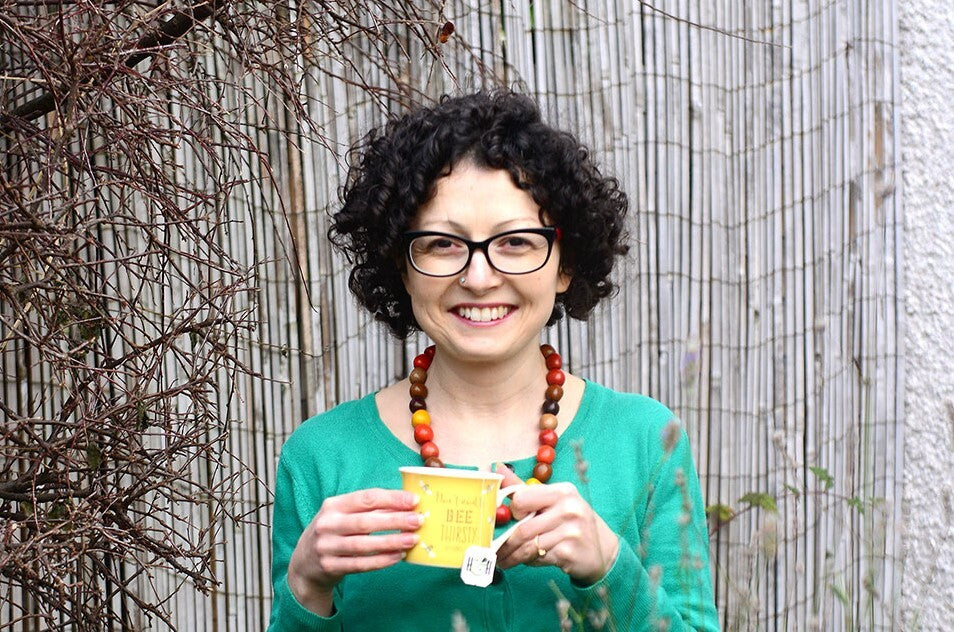 by Ruth Lewis-Robertson
Fiona holds an MSc in Nutritional Medicine and a qualification in Nutritional Therapy. Fiona specialises in skin health and is also the author of the acclaimed book, The Happy Skin Solution.
Ruth Lewis-Robertson
Fiona holds an MSc in Nutritional Medicine and a qualification in Nutritional Therapy. Fiona specialises in skin health and is also the author of the acclaimed book, The Happy Skin Solution.
جدول المحتويات
| الأعراض المرتبطة بحب الشباب | آفات جلدية حمراء ومؤلمة وملتهبة توجد عادة على الوجه. وقد تكون في صورة رؤوس سوداء أو رؤوس بيضاء أو حطاطات أو بثرات أو عقيدات أو أكياس. |
| العوامل التي قد تسبب حب الشباب | إفراز الزيوت المفرط، تجدد خلايا البشرة غير المنتظم، اختلال بكتيريا البشرة، الالتهاب، النظام الغذائي، الوراثة، الاختلال الهرموني، الحمل، الحالات الطبية، التوتر، سوء نظافة البشرة. |
| الفيتامينات التي قد تساعد في حب الشباب | فيتامين A، فيتامين E، فيتامين C، فيتامين D، النياسين، فيتامين B6. |
| المعادن التي قد تساعد في حب الشباب | الزنك، الكروم |
| المكونات أو المستخلصات النباتية الإضافية التي قد تساعد في حب الشباب | الألوفيرا، الشاي الأخضر، الأستازانتين، الأشواغاندا، البروبيوتيك، أوميغا-3 |
| كم من الوقت تحتاج الفيتامينات والمعادن لتعمل؟ | يعتمد ذلك على الفرد، لكن في غضون 3 أشهر ينبغي أن تلاحظ الفوائد. |
1. ما هو حب الشباب؟
يتميز حب الشباب الشائع، المعروف عمومًا ببساطة باسم حب الشباب، بآفات جلدية حمراء ومؤلمة وملتهبة1. وقد تأتي هذه الآفات، التي قد تسميها بثورًا أو حبوبًا، في صورة رؤوس سوداء أو رؤوس بيضاء أو حطاطات أو بثرات أو عقيدات أو أكياس2. وتتأثر جودة حياة المصابين بحب الشباب ليس فقط بالألم الجسدي بل أيضًا بتأثير حب الشباب على الثقة بالنفس، لأن الشوائب تظهر بشكل أساسي على الوجه3.
إذا كنت تعاني من هذا المرض الجلدي، فكن مطمئنًا أنك لست وحدك. فحب الشباب شائع بشكل مذهل في العالم الغربي، خاصة بين المراهقين: يعاني منه ما يصل إلى 85% من المراهقين4. وسيتجاوز معظمهم الحالة مع النمو لكن ليس الجميع: فأكثر من نصف البالغين فوق 25 عامًا لديهم درجة ما من حب الشباب في الوجه، وستستمر الحالة لدى 12% من الرجال حتى منتصف العمر4. وبالنسبة لآخرين، قد يُشعر بتأثير حب الشباب على الثقة بالنفس وجودة الحياة حتى مرحلة البلوغ بسبب ندوب حب الشباب المحتملة3.
وتعاني بعض النساء البالغات أيضًا مما يُشار إليه أحيانًا بـ"حب الشباب الهرموني"، حيث يبدو أن نوبات حب الشباب تحدث حول الدورة الشهرية، أو أثناء الحمل أو انقطاع الطمث، أو نتيجة متلازمة تكيس المبايض (PCOS)2,5.

2. لماذا يحدث حب الشباب؟
لا نعرف الفيزيولوجيا المرضية الدقيقة لحب الشباب، لكن أربعة عوامل رئيسية تساهم في تطوره:
1. إفراز الزيوت (الزهم) المفرط
2. تجدد خلايا البشرة غير المنتظم
3. اختلال بكتيريا البشرة
4. الالتهاب
وليس العلماء متأكدين من العامل الذي يبدأ العملية. فقد كانوا يعتقدون أن فرط نمو بكتيريا Cutibacterium Acnes هو المسبب الرئيسي، لكن تشير الأبحاث الأحدث إلى أن الالتهاب الكامن قد يكون العامل المحرّض 4,6.
وأيًا كان ما يبدأه، فلماذا يحدث؟ ولماذا هو منتشر جدًا أثناء البلوغ؟ للوراثة دور بالفعل: فأنت أكثر عرضة لأن تكون بشرتك معرضة لحب الشباب إذا كان والدك أو والدتك مصابًا به4,7,8. لكن هناك عوامل كثيرة أخرى تؤثر. وقد تكون هذه العوامل بيئية أو هرمونية أو مرتبطة بمستحضرات العناية بالبشرة التي تستخدمها أو بمستويات توترك أو بالطعام الذي تتناوله7.
نظام العناية بالبشرة
تشمل التغييرات البسيطة التي قد تساعد الاكتفاء بغسل وجهك مرة واحدة يوميًا على الأكثر، ومن الناحية المثالية في المساء باستخدام منظف لطيف وماء فاتر2. وعلى الرغم من أن استخدام الكريمات أو المرطبات قد يبدو غير منطقي إذا كانت بشرتك دهنية، فقد يساعد هذا فعلًا في حب الشباب9. تحدث إلى طبيب الأمراض الجلدية لمعرفة الكريمات المناسبة لحب الشباب، التي قد تتوفر دون وصفة طبية.
النظام الغذائي والهرمونات
الأندروجينات هرمونات تزداد أثناء البلوغ، وقد يؤدي ارتفاع مستويات الأندروجين إلى زيادة إفراز الزهم أو تغيره، مما قد يؤدي إلى نوبة حب شباب4,7.
وقد ترفع حالة تُسمى فرط الإنسولين في الدم مستويات الأندروجين. وهي حالة يكون فيها لدينا كمية مفرطة من الإنسولين - الهرمون الذي ينظم مستويات سكر الدم - في الدم. وعادة ما يسببها تناول نظام غذائي ذي حمل غلايسيمي عالٍ - وهي أطعمة مثل الكربوهيدرات المصنّعة والوجبات الخفيفة السكرية التي تطلق السكر في الدم أسرع من الأطعمة الأخرى.
ويزيد فرط الإنسولين في الدم هرمونًا آخر يُسمى عامل النمو الشبيه بالإنسولين 1، أو IGF-1. ويعزز هذا الهرمون نمو الأنسجة وقد يساهم في زيادة سماكة البشرة، مما قد يزيد احتمالات نوبة حب الشباب4.
ويزيد الحليب ومنتجات الألبان أيضًا مستويات IGF-1 في الجسم10.
النظام الغذائي الغربي النموذجي
وفقًا لهيئة NHS الصحية الوطنية البريطانية، لا توجد أدلة حالية كافية للنصح بتغييرات غذائية لعلاج حب الشباب2. لكن موقف الجمعية البريطانية لأطباء الأمراض الجلدية هو أن النظام الغذائي يبدو مرتبطًا بحب الشباب فعلًا. والمثير للاهتمام حقًا أنه بينما حب الشباب شائع بشكل مذهل بين مراهقي العالم الغربي، وُجد أنه شبه معدوم في بعض الحضارات التي لم تتأثر بعد بالثقافة الغربية. ووثّق عدد من الأمثلة ذلك، من أوكيناوا قبل الحرب العالمية الثانية، إلى شعوب البانتو في جنوب أفريقيا وهنود بيرو4. وقد يُقترح أن هذا الاختلاف يرجع إلى الوراثة، لكن يمكننا أن نرى أن النظام الغذائي يؤدي دورًا حاسمًا عندما ندرس السكان الأصليين الذين انتقلوا إلى مجتمع غربي. فعلى سبيل المثال، وُجد أن شعب الإنويت في كندا كانت لديه معدلات منخفضة جدًا من حب الشباب أثناء تناول نظامهم الغذائي التقليدي، لكن الانتشار زاد مع انتقالهم إلى المجتمع الحديث وبدء تناول نظام غذائي غربي أكثر نموذجية4.
ويميل النظام الغذائي الغربي النموذجي إلى امتلاك حمل غلايسيمي عالٍ من كميات كبيرة من الكربوهيدرات المصنّعة، ووُجد أن هذا صحيح بشكل خاص بين مرضى حب الشباب، الذين وُجد أيضًا أن أنظمتهم الغذائية منخفضة الخضروات والفواكه. ويميل الغربيون أيضًا إلى تناول كميات كبيرة من منتجات الألبان، وهو ما ارتبط بزيادة خطر حب الشباب8.
أما الأنظمة الغذائية للسكان غير المتأثرين بحب الشباب، فتميل إلى الخلو من الأطعمة المصنّعة، وتحتوي على قليل جدًا من منتجات الألبان أو لا تحتوي عليها، وغنية بالكربوهيدرات منخفضة المؤشر الغلايسيمي من الخضروات والفواكه والحبوب الكاملة4، التي توفر كثيرًا من العناصر الغذائية المفيدة لصحة البشرة والعافية العامة.
3. ما العناصر الغذائية التي تساعد في حب الشباب؟
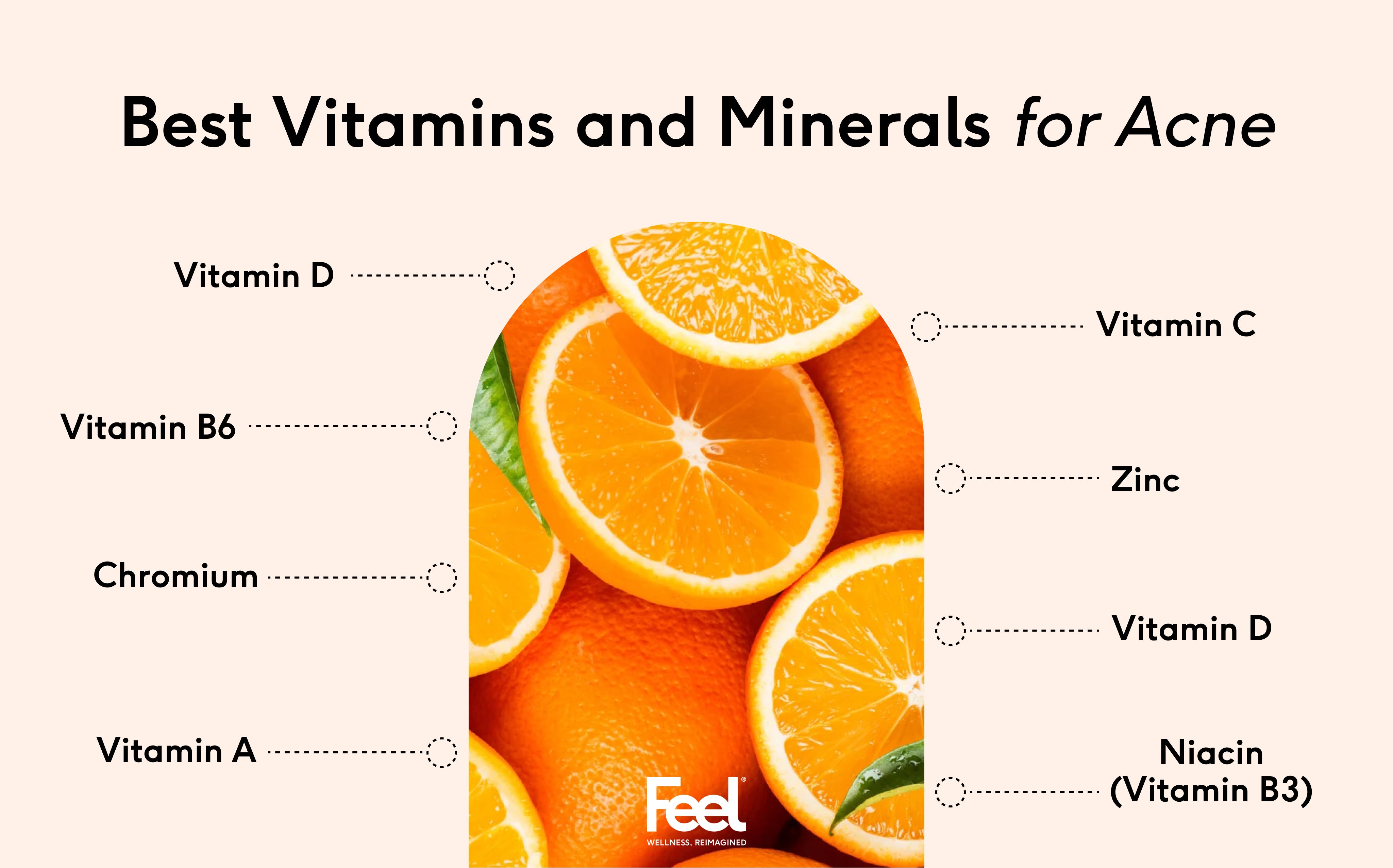
وُجد أن عناصر غذائية مختلفة منخفضة لدى الأفراد المصابين بحب الشباب، مما يشير إلى أن تناول مكملات هذه العناصر قد يكون مفيدًا في علاج حب الشباب. ووُجد أيضًا أن الجرعات العلاجية من عناصر غذائية أخرى (حتى إن لم يكن الشخص يعاني من نقصها) مفيدة.
الزنك
يؤدي الزنك دورًا في الحفاظ على الجهاز المناعي وتقليل الالتهاب وتعديل الهرمونات مثل الأندروجينات12. ويُخزَّن 6% من هذا المعدن الأساسي في بشرتنا12، وقد يسبب نقصه مشكلات في صحة البشرة. ووُجد أن لدى مرضى حب الشباب مستويات أقل من الزنك في الدم، خاصة في الحالات الشديدة، ووجدت دراسات تعود إلى الستينيات تأثيرات مفيدة لمكملات الزنك في علاج حب الشباب11. وكان كبريتات الزنك الموضعي فعالًا في علاج حب الشباب الخفيف إلى المتوسط، وقد يكون الزنك الفموي مفيدًا في حب الشباب المتوسط إلى الشديد12. وقد يساعد أيضًا في تقليل الآثار السلبية المحتملة للمضادات الحيوية، التي تُوصف كثيرًا لهذا المرض12.
وتشمل المصادر الغذائية للزنك اللحوم والأسماك والأطعمة المدعّمة13؛ وبذور اليقطين خيار جيد للنباتيين أو الفيغان. وينبغي للمراهقين الذكور بين 14-18 عامًا الحصول على 9.5 ملغ من الزنك يوميًا، وينبغي للإناث في العمر نفسه الحصول على 7 ملغ.
فيتامين A
فيتامين A فيتامين أساسي ومضاد للأكسدة يؤدي دورًا في الجهاز المناعي والاستجابة الالتهابية وسلامة البشرة. ووُجد أن لدى الأفراد المصابين بحب الشباب مستويات أقل من فيتامين A في الدم، ويُعتقد أن المستويات المنخفضة تساهم في تقشر البشرة وإطالة نوبة حب الشباب11.
وفيتامين A في الواقع مجموعة من الريتينويدات القابلة للذوبان في الدهون 14. وعند تناوله في النظام الغذائي، يأتي في شكلين: فيتامين A المُشكَّل مسبقًا، في صورة ريتينولات، نحصل عليه من تناول منتجات الألبان والبيض والأسماك ولحوم الأعضاء؛ وكاروتينويدات طليعة فيتامين A من النباتات14، خاصة الخضروات برتقالية اللون مثل الجزر والبطاطا الحلوة والقرع.
ويُستخدم فيتامين A طبيًا في الأمراض الجلدية بنتائج جيدة6. وفي الواقع، إذا أعطاك طبيبك دواءً لعلاج حب الشباب، فقد يكون شكلًا من فيتامين A. فالإيزوتريتينوين، المعروف أيضًا باسم حمض 13-سيس-ريتينويك، مشتق من فيتامين A، ووُجد أنه مفيد في حب الشباب من خلال تقليل إفراز الزهم، وبالتالي تعديل البكتيريا التي تعزز الالتهاب في حب الشباب11.
فيتامين E
فيتامين E مضاد أكسدة مهم، معروف بحماية أغشية الخلايا من الجذور الحرة، ويؤدي مجددًا دورًا في الجهاز المناعي. وبالمثل، اكتُشفت مستويات منخفضة منه لدى الأفراد المصابين بحب الشباب، خاصة في حالات حب الشباب الشديد11. والخضروات الورقية الخضراء والمكسرات والبذور والحبوب الكاملة مصادر جيدة لهذا الفيتامين الأساسي.
فيتامين D
يؤدي فيتامين D دورًا مهمًا في الجهاز المناعي وتنظيم الالتهاب: وهما عاملان مؤثران في حب الشباب1. ووُجد أن نقصه أكثر شيوعًا لدى الأفراد المصابين بحب الشباب.
ونحصل على معظم فيتامين D من التعرض للشمس خلال أشهر الصيف، لكن يمكننا أيضًا زيادة مستوياتنا من خلال تناول الأسماك أو الفطر أو البيض، أو من خلال المكملات15. والكمية اليومية الموصى بها من فيتامين D للمراهقين والبالغين في المملكة المتحدة هي 400 وحدة دولية يوميًا.
النياسيناميد (فيتامين B3)
النياسيناميد، المعروف أيضًا باسم النيكوتيناميد أو فيتامين B3، فيتامين ذو خصائص قوية مضادة للالتهاب، يُعتقد أنه قد يكون مفيدًا في علاج حب الشباب16. ووجدت مراجعة للدراسات أن المكملات الفموية المحتوية على النياسيناميد تؤدي إلى انخفاض كبير في حب الشباب؛ وأدت الدراسات التي استخدمت النياسيناميد الموضعي أيضًا إلى تحسن كبير أو كان لها تأثير مشابه لعلاجات حب الشباب القياسية16.
واللحوم والأسماك أفضل المصادر الغذائية لهذا الفيتامين؛ ويمكن للمكسرات والبقوليات والحبوب توفير مصدر نباتي17. وينبغي للمراهقين بعمر 14-18 الحصول على 18 ملغ يوميًا للذكور أو 14 ملغ يوميًا للإناث.
أحماض أوميغا 3 الدهنية
أوميغا 3 مجموعة من الأحماض الدهنية الأساسية توجد بشكل أساسي في الأسماك الزيتية. ودورها الرئيسي هو تنظيم الاستجابة الالتهابية في الجسم. ووُجد أن السكان الذين يتناولون كميات كبيرة من الأسماك الزيتية لديهم مستويات منخفضة من حب الشباب1. ولمكملات أوميغا 3، في صورة زيت السمك، أو مكافئ نباتي مثل Vegan Omega 3 من Feel المستخلص من الطحالب، خصائص مضادة للالتهاب ووُجد أنها تقلل شدة حب الشباب لدى من يعانون من حب الشباب المتوسط إلى الشديد1.
البروبيوتيك
قد تكون البروبيوتيك مفيدة أيضًا في علاج حب الشباب لأنها قد تساعد في دعم البكتيريا الصحية المقيمة في أمعائنا. وصحة الأمعاء الجيدة ضرورية للبشرة الصحية، وهناك صلة بين مستويات البكتيريا النافعة في الأمعاء وحب الشباب18. ووُجد أن جنس lactobacillus على وجه الخصوص يعزز صحة البشرة الجيدة، ووجدت دراسة كورية أن نوع البروبيوتيك lactobacillus paraplantarum قد يكون علاجًا فعالًا لحب الشباب الشائع6.
4. ما الفيتامينات المفيدة لحب الشباب الهرموني؟
فيتامينات B
يحتاج الجسم إلى فيتامينات B لدعم الكبد في إزالة سموم الهرمونات. وقد تكون بعض فيتامينات B ذات فائدة خاصة: فيساعد B2 (الريبوفلافين) الجسم على امتصاص الزنك، بينما وُجد أن B6 (البيريدوكسين) مفيد لصحة الهرمونات، إذ يدعم في متلازمة ما قبل الحيض19. ولهذه الأسباب تجد بعض النساء مجموعة فيتامينات B مفيدة في إدارة المشكلات الهرمونية مثل متلازمة ما قبل الحيض20.
5. ما المعادن المفيدة لحب الشباب الهرموني؟
الكروم
معدن أساسي يؤدي دورًا في تنظيم الإنسولين21، مما قد يساعد في محاربة حب الشباب للأسباب التي ناقشناها أعلاه.
الزنك
قد يكون معدن الزنك ذا فائدة خاصة لحب الشباب الناجم عن الهرمونات بسبب دوره في تعديل هرمونات الأندروجين وتهدئة الالتهاب12.

6. ما المستخلصات النباتية التي قد تساعد في حب الشباب؟
الألوفيرا
مكون يُستخدم في كثير من المرطبات المتاحة دون وصفة طبية، يُقال إنه مفيد لحب الشباب بسبب خصائصه المضادة للبكتيريا والالتهاب. وقد دعمت الدراسات ذلك، إذ وجدت نتائج جيدة للكريمات المحتوية على هذه النبتة في مكافحة حب الشباب22,23.
الأستازانتين
الأستازانتين كاروتينويد ومضاد أكسدة قوي ذو خصائص مضادة للالتهاب24. وثبت أن له تأثيرات مفيدة على صحة البشرة عند استخدامه موضعيًا أو فمويًا، بما في ذلك من خلال تقليل دهنية البشرة24.
مستخلص الشاي الأخضر
الشاي الأخضر معروف بفوائده المعززة للصحة، في الغالب بسبب خصائصه المضادة للأكسدة. لكن هل تعلم أن الدراسات وجدت أنه قد يكون مفيدًا أيضًا في محاربة حب الشباب؟ فوجدت مراجعة للتجارب أن التطبيق الموضعي لمستخلص الشاي الأخضر قلل بشكل كبير آفات حب الشباب الالتهابية دون أي آثار سلبية25.
الأشواغاندا
الأشواغاندا عشبة هندية أدابتوجينية ذات تأثيرات مضادة للأكسدة والالتهاب، تُستخدم تقليديًا للمساعدة في مكافحة التوتر والقلق، وتدعم الدراسات هذا الادعاء26. ويمكن اعتبار هذه الخصائص المفيدة للعشبة جميعها مفيدة للمصابين بحب الشباب، خاصة بالنظر إلى انتشار القلق والاكتئاب بين المصابين بهذه الحالة27.
7. ما الفيتامينات التي قد تسبب حب الشباب؟
ربما قرأت تقارير تفيد بأن تناول مكملات فيتامين B12 قد يسبب نوبة حب شباب، وكانت هناك بالفعل بعض الحالات من هذا القبيل. فأصيبت امرأة عمرها 37 عامًا دون تاريخ سابق من حب الشباب بآفات حب الشباب بعد حقنتَي B1228، وعانت فتاة مراهقة في ألمانيا، كان لديها حب شباب خفيف سابقًا، من ظهور شديد لآفات الوجه بعد تناول جرعات عالية من فيتاميني B6 وB12 لمدة أسبوعين29. ووجدت مراجعة للحالات حوادث أخرى لنساء ظهر لديهن حب الشباب بعد تناول مكملات عالية من B1230 ووُجد أن فيتاميني B2 وB6 قد يزيدان حب الشباب سوءًا29.
ومن المهم ملاحظة أن جرعات العناصر الغذائية المتناولة في هذه الحالات كانت عالية جدًا. فكانت المراهقة الألمانية تتناول 80 ملغ من B6 و20 ميكروغرام من B12 يوميًا، وهو أعلى بكثير من الكميات اليومية الموصى بها، وكانت كمية B6 مساوية للحد الأقصى تمامًا لفئتها العمرية (14-18 عامًا) وفقًا للمعهد الأمريكي للصحة31.
والفيتامينات مفيدة عمومًا لصحتنا، لكن حُددت حدود قصوى مسموح بها لكثير من العناصر الغذائية لإرشادنا إلى الكمية القصوى التي يمكن تناولها قبل ظهور آثار سلبية. وينبغي ملاحظة أيضًا أنه من الصعب جدًا تناول كمية مفرطة من فيتامين عندما نحصل عليه من النظام الغذائي، فهذه الحالات ارتبطت بالتناول التكميلي. لكن لا ينبغي أن يثنيك هذا عن تناول المكملات. وتذكّر أن B12 مهم لتناوله كمكمل بجرعات معقولة إذا كنت نباتيًا أو فيغان.
بروتين مصل اللبن
ارتبط بروتين مصل اللبن، وهو مكمل شائع بين لاعبي كمال الأجسام، أيضًا بتطور حب الشباب. فأبلغ طبيب أمراض جلدية بلجيكي عن عدد من حالات رجال أصحاء أصيبوا بحالات متوسطة إلى شديدة من حب الشباب في الوجه بعد تناول بروتين مصل اللبن، وزالت عند التوقف عنه7. ويوجد بروتين مصل اللبن طبيعيًا في الحليب وقد يؤدي إلى ارتفاع مستويات IGF-1 والإنسولين، وهو ما اعتُقد أنه سبب نوبة حب الشباب لدى هؤلاء الأفراد7.
8. هل يمكن للفيتامينات المساعدة في ندوب حب الشباب؟
حتى بعد زوال آفات حب الشباب، قد تستمر ندوب حب الشباب في التأثير على الحياة من خلال تدني الثقة بالنفس، خاصة أن معظم الندوب على الوجه. ووُجد أن لفيتامين C فائدة محتملة عند استخدامه موضعيًا لندوب حب الشباب. ففي إحدى الدراسات، وُجد أن له نتائج أفضل من العلاج بتحفيز الكولاجين3.
9. ما أفضل وقت لتناول الفيتامينات لحب الشباب؟
لتعظيم فرصك في التمتع ببشرة صافية، ينبغي أن تسعى إلى اتباع نظام غذائي صحي غني بالعناصر الغذائية طوال الوقت، بدلًا من انتظار نوبة حب الشباب.
10. كم من الوقت يجب أن أتناول الفيتامينات لحب الشباب؟
من الجيد ضمان تلبية الاحتياجات اليومية الموصى بها من الفيتامينات والمعادن، ليس فقط للمساعدة في حب الشباب بل أيضًا لجميع جوانب الصحة والعافية الأخرى، ولحمايتك من المشكلات الصحية المستقبلية. والحصول على كل العناصر الغذائية التي تحتاجها من نظامك الغذائي أفضل دائمًا من تناول حبة، لكن قد ترغب في تعزيز مستوياتك بفيتامينات متعددة عالية الجودة أيضًا. وعلى الرغم من أن تناول جرعات عالية جدًا من بعض المكملات لفترة طويلة قد تكون له آثار جانبية، يُعدّ تناول الفيتامينات المتعددة على المدى الطويل آمنًا عمومًا.
11. هل يمكن أن يسبب نقص الفيتامينات حب الشباب؟
قد يؤدي نقص الفيتامينات دورًا في تطور الحالات الجلدية بما في ذلك حب الشباب. وكما رأينا، وُجد أن لدى المصابين بحب الشباب مستويات أقل من فيتامينات معينة مقارنة بالآخرين، بما في ذلك فيتامينات A وE وD، وكذلك الزنك وأحماض أوميغا 3 الدهنية1,11.
12. ما الفيتامينات التي ينبغي أن أتناولها للوقاية من حب الشباب؟
وُجد أن عدة فيتامينات ومعادن مفيدة في محاربة حب الشباب. لكن من الأفضل عدم التركيز على عنصر غذائي واحد فقط، بل تناولها في صورة متوازنة، على سبيل المثال بتناول مكمل فيتامينات متعددة عالي الجودة مثل Multivitamin من Feel للعافية العامة وكذلك صحة البشرة، وهو خيار ذكي، وكذلك Skin Care من Feel الذي يحتوي على مجموعة من الفيتامينات والمستخلصات النباتية المفيدة المصاغة خصيصًا لتعزيز بشرة أكثر صفاءً. وادمج أيًا منهما مع Beauty Probiotic + لدعم أمعائك، مما يشجع على بشرة صحية من الداخل إلى الخارج.
ولا تنسَ أن المكملات لا ينبغي أن تكون بديلًا لنظام غذائي صحي يدعم أيضًا صحة البشرة والشعور بالعافية.
والنظام الغذائي المتوازن لا يزيد فقط حالة العناصر الغذائية، بل قد يكون النظام الغذائي منخفض الحمل الغلايسيمي مفيدًا أيضًا في علاج حب الشباب من خلال الحفاظ على حساسية الإنسولين. وسيعزز النظام الغذائي الصحي منخفض الكربوهيدرات المصنّعة والغني بالخضروات أيضًا صحة الأمعاء الجيدة، مما يساعد بدوره في إمداد أجسامنا بفيتامينات B لأن بعضها يُصنَّع في الأمعاء.

13. كم من الوقت تحتاج الفيتامينات لتعمل لحب الشباب؟
إذا بدأت في تناول مكملات الفيتامينات للمساعدة في حب الشباب، فمن المهم إعطاؤها الوقت لتعمل. وتوصي Acne Support بتناول العلاجات لمدة 12 أسبوعًا قبل أن ترى فرقًا على الأرجح32، ولا تنسَ أنه يجب تناولها بانتظام، وهذا يعني عادة كل يوم.
14. الآثار الجانبية المحتملة لتناول الفيتامينات لحب الشباب؟
قد يؤدي تناول مكملات الفيتامينات أو المعادن بجرعات عالية إلى آثار جانبية. ومن المعروف أن فيتامين A على وجه الخصوص قد يكون له آثار جانبية محتملة بما في ذلك تلف الكبد المحتمل ومشكلات هضمية وتهيج البشرة وجفافها. ويقلل تناول الفيتامينات في صورة متوازنة كما في الفيتامينات المتعددة من Feel خطر الآثار الجانبية.
والحصول على الفيتامينات من نظام غذائي صحي متوازن طريقة آمنة لزيادة حالة عناصرك الغذائية دون المخاطرة بآثار جانبية.
المراجع
- https://www.ncbi.nlm.nih.gov/pmc/articles/PMC3543297/
- https://www.nhs.uk/conditions/Acne/#overview
- https://www.ncbi.nlm.nih.gov/pmc/articles/PMC4338464/
- https://www.ncbi.nlm.nih.gov/pmc/articles/PMC4769025/
- https://www.ncbi.nlm.nih.gov/pmc/articles/PMC6360964
- https://www.ncbi.nlm.nih.gov/pmc/articles/PMC3780801
- https://pubmed.ncbi.nlm.nih.gov/23257731/
- https://pubmed.ncbi.nlm.nih.gov/22386050/
- https://www.ncbi.nlm.nih.gov/pmc/articles/PMC3997205/
- https://pubmed.ncbi.nlm.nih.gov/31089868/
- https://pubmed.ncbi.nlm.nih.gov/23826827/
- https://www.ncbi.nlm.nih.gov/pmc/articles/PMC4120804/
- https://ods.od.nih.gov/factsheets/Zinc-HealthProfessional
- https://ods.od.nih.gov/factsheets/Vitamina-HealthProfessional/
- https://ods.od.nih.gov/factsheets/VitaminD-HealthProfessional/
- https://pubmed.ncbi.nlm.nih.gov/28220628/
- https://ods.od.nih.gov/factsheets/Niacin-HealthProfessional/
- https://pubmed.ncbi.nlm.nih.gov/35330173/
- https://pubmed.ncbi.nlm.nih.gov/10334745/
- https://acudoc.com/Premenstrual_Syndrome.PDF
- https://pubmed.ncbi.nlm.nih.gov/15208835/
- https://www.sciencedirect.com/science/article/abs/pii/S0962456203001413
- https://www.ncbi.nlm.nih.gov/pmc/articles/PMC6298394/
- https://pubmed.ncbi.nlm.nih.gov/22428137/
- https://onlinelibrary.wiley.com/doi/epdf/10.1002/ptr.6809
- https://www.ncbi.nlm.nih.gov/pmc/articles/PMC3573577/
- https://www.ncbi.nlm.nih.gov/pmc/articles/PMC3051295/
- https://pubmed.ncbi.nlm.nih.gov/23815241/
- https://pubmed.ncbi.nlm.nih.gov/11763399/
- https://pubmed.ncbi.nlm.nih.gov/28594082/
- https://ods.od.nih.gov/factsheets/VitaminB6-Consumer/
المنتجات الموصى بها
-
 برو كولاجين جيلي بنكهة البطيخ️
أول كولاجين نباتي في العالم، صُمّم لتعزيز جمال بشرتكِ من الداخل. وبفضل قوا...
أول كولاجين نباتي في العالم، صُمّم لتعزيز جمال بشرتكِ من الداخل. وبفضل قوامه المستوحى من ابتكارات الجمال الكوري، ل...
-
 برو كولاجين بنكهة البطيخ️
نقدم لك أول كولاجين نباتي في العالم، مصمم خصيصًا لتحسين صحة البشرة. يمنحك ...
نقدم لك أول كولاجين نباتي في العالم، مصمم خصيصًا لتحسين صحة البشرة. يمنحك دعمًا فعّالًا لمكافحة التجاعيد، ويزيد من...
-
 الفيتامينات المتعددة مالتي فيتامين️
تركيبة واحدة - 32 مكوّنًا فائق الجودة - 100 فائدة صحية مميزة. فيتامينات مت...
تركيبة واحدة - 32 مكوّنًا فائق الجودة - 100 فائدة صحية مميزة. فيتامينات متعددة مدعومة بالأدلة السريرية لدعم الطاقة...
-
 برو كولاجين بنكهة الخوخ️
أول كولاجين نباتي في العالم، صُمّم ليُحدث فرقًا واضحًا في بشرتك. يدعم مقا...
أول كولاجين نباتي في العالم، صُمّم ليُحدث فرقًا واضحًا في بشرتك. يدعم مقاومة التجاعيد ويزيد مرونة البشرة، كما يدع...
-
 برو كولاجين بنكهة الأناناس ️
أول كولاجين نباتي في العالم، صُمّم ليُحدث فرقًا واضحًا في بشرتك. يدعم مقاو...
أول كولاجين نباتي في العالم، صُمّم ليُحدث فرقًا واضحًا في بشرتك. يدعم مقاومة التجاعيد ويزيد مرونة البشرة، كما يدعم...
-
 برو كولاجين جل بنكهة البطيخ️
أول كولاجين نباتي في العالم، مصمم خصيصًا لتحسين صحة البشرة. يمنحك دعمًا فع...
أول كولاجين نباتي في العالم، مصمم خصيصًا لتحسين صحة البشرة. يمنحك دعمًا فعّالًا لمكافحة التجاعيد، ويزيد من مرونة ا...
-
 برو كولاجين جل بنكهة الكرز️
أول كولاجين نباتي في العالم، مصمم خصيصًا لتحسين صحة البشرة. يمنحك دعمًا فع...
أول كولاجين نباتي في العالم، مصمم خصيصًا لتحسين صحة البشرة. يمنحك دعمًا فعّالًا لمكافحة التجاعيد، ويزيد من مرونة ا...
-
 بيوتي جاميز للجمال والعناية️
تم إثبات فعالية حبوب المضغ بيوتي جاميز للجمال والعناية من فييل سريريًا لدع...
تم إثبات فعالية حبوب المضغ بيوتي جاميز للجمال والعناية من فييل سريريًا لدعم صحة البشرة والشعر، حيث تحتوي على حمض ا...
-
 سموث سكِن لبشرة صحية️
المكمل المضاد للسيلوليت الأول في أوروبا. تم تصميمه علميًا لتقليل ظهور سطح ...
المكمل المضاد للسيلوليت الأول في أوروبا. تم تصميمه علميًا لتقليل ظهور سطح الجلد بشكل غير مستوٍ يشبه 'قشر البرتقال'...
-
 أقراص فيغان أوميغا 3 النباتية️
أكثر مكملات أوميغا 3 فعالية واستدامة، مستخلصة من الطحالب لدعم وظائف الدماغ...
أكثر مكملات أوميغا 3 فعالية واستدامة، مستخلصة من الطحالب لدعم وظائف الدماغ وصحة القلب والأوعية الدموية وصحة العيني...
-
برو كولاجين جيلي بنكهة التوت المشكّل️
أول كولاجين نباتي في العالم، صُمّم لتعزيز جمال بشرتكِ من الداخل. وبفضل قوا...
أول كولاجين نباتي في العالم، صُمّم لتعزيز جمال بشرتكِ من الداخل. وبفضل قوامه المستوحى من ابتكارات الجمال الكوري، ل...