|
4.5 على
توصيل مجاني للطلبات فوق $250
اختاري باقتك المفضلة ووفري 25%
|
20,000تقييم
|
يوصي به أكثر من 300 أخصائي تغذية

تم تطبيق خصم 10%

الرئيسية تعلّم أفضل الفيتامينات والمعادن لتساقط الشعر لدى النساء [مراجعة أخصائي تغذية 2025]

مشاركة

الرئيسية تعلّم أفضل الفيتامينات والمعادن لتساقط الشعر لدى النساء [مراجعة أخصائي تغذية 2025]

أفضل الفيتامينات والمعادن لتساقط الشعر لدى النساء [مراجعة أخصائي تغذية 2025]

جدول المحتويات

ما الذي يسبب تساقط الشعر الوراثة، المرض، التوتر، الولادة والحمل، علاج السرطان، المواد الكيميائية القاسية وأساليب التصفيف، إنقاص الوزن، سوء التغذية، مشكلات الأمعاء، العمر، الثعلبة أو هوس نتف الشعر، الاختلالات الهرمونية، حالات فروة الرأس، العدوى.
هل يمكن أن يؤثر انقطاع الطمث على تساقط الشعر لدى النساء نعم - هناك بعض الأدلة التي تشير إلى أن انخفاض وظيفة الغدة الدرقية، الشائع في انقطاع الطمث، مع انخفاض مستويات الإستروجين والبروجستيرون قد يؤثر أكثر على ترقق الشعر
الفيتامينات التي قد تساعد في تساقط الشعر البيوتين، فيتامين D، فيتامين C، فيتامين E، حمض الفوليك
المعادن التي قد تساعد في تساقط الشعر الزنك، الحديد، السيلينيوم، المغنيسيوم
المكونات الإضافية التي قد تساعد في تساقط الشعر السيليكا، الكولاجين، أوميغا-3، الأشواغاندا، الألوفيرا، البروبيوتيك
ما العلاجات البديلة المتاحة لتساقط الشعر الأدوية الفموية الموصوفة مثل المينوكسيديل أو المينوكسيديل الموضعي غير الموصوف.
العلاج المناعي الموضعي

1. ما هي دورة نمو الشعر؟

ينقسم نمو الشعر إلى أربع مراحل متميزة. تُسمى المرحلة الأولى مرحلة النمو (أناجين) وهي مرحلة نمو بصيلة الشعر حيث يبدو أن الشعر ينمو باستمرار 1. والمرحلة الثانية هي مرحلة التراجع (كاتاجين) حيث يتوقف نمو الشعر وتدخل بصيلة الشعر مرحلة الراحة المعروفة بمرحلة الانتهاء (تيلوجين). ولا ينمو الشعر خلال مرحلة الانتهاء، ولا يتساقط عادة، بل يبدأ شعر جديد في التكوّن في البصيلات، ثم في المرحلة الأخيرة المعروفة بمرحلة التساقط (إكسوجين)، ينفصل الشعر وتبدأ الدورة مجددًا1.

2. ما الذي يسبب تساقط الشعر؟

الشعر خيط بروتيني ينمو من بصيلات الشعر في بشرة الجلد ويتكون من جزأين، بصيلة الشعر وساق الشعر.

ما الذي يسبب تساقط الشعر؟

وللشعر وظائف كثيرة بما في ذلك الحماية من البيئة وتنظيم الحرارة ونقل المعلومات الحسية وكونه مصدرًا للخلايا الجذعية2. والشعر مهم جدًا أيضًا لعافيتنا وهو جزء رئيسي من شخصيتنا وهويتنا ومظهرنا. وقد يكون تساقط الشعر مزعجًا جدًا، ولا يُحدَّد سببه دائمًا بسهولة2.

ومن الطبيعي فسيولوجيًا في الواقع أن يفقد الشعر الصحي خصلات شعر يوميًا، ونفقد نحو 50-100 خصلة شعر يوميًا3. لكن قد يصبح تساقط الشعر وفقدانه أشد وأكثر وضوحًا. وتشمل الأسباب المحتملة لتساقط الشعر لدى النساء2, 4:

تساقط الشعر الوراثي - غالبًا ما يكون الصلع النمطي لدى الرجال والنساء وراثيًا في العائلات وعادة يكون دائمًا.

المرض - قد تعطّل فترات المرض المزمن الطويلة نمو الشعر.

التوتر والولادة والفقد - كما هو الحال أعلاه، قد تؤدي فترات التوتر العاطفي والجسدي إلى ضغط فسيولوجي على الجسم وقد تؤدي إلى ترقق الشعر وتساقطه.

علاج السرطان - قد يسبب العلاج الإشعاعي والكيميائي تساقط الشعر كأثر جانبي للعلاج.

إنقاص الوزن وسوء التغذية - قد يؤثر سوء النظام الغذائي وعدم كفاية المدخول الغذائي على نمو الشعر، وعلى وجه الخصوص قد يؤدي فقر الدم بسبب نقص الحديد ونقص الفولات إلى تساقط الشعر.

مشكلات الأمعاء - ارتبطت بعض الأمراض الهضمية مثل الداء البطني (حالة مناعية ذاتية يسبب فيها الغلوتين، وهو بروتين يوجد في القمح والشعير والجاودار، ضررًا معويًا) بتساقط الشعر المحتمل. لذلك، قد يساعد اتباع نظام غذائي خالٍ من الغلوتين في تقليل الضرر المعوي واستعادة الشعر.

العناية بالشعر - قد يضر التصفيف المفرط والحرارة المفرطة واستخدام منتجات الشعر الكيميائية وسوء العناية بالشعر وتسريحات الشعر القاسية التي تشد الشعر ببنية الشعر وتؤدي إلى إضعافه وتكسره.

العمر - يلاحظ معظم الناس بعض تساقط الشعر مع التقدم في السن إذ تتوقف بصيلات الشعر عن العمل ويترقق الشعر ويفقد لونه وقد ينحسر لدى النساء.

الثعلبة البقعية - هذا مرض مناعي ذاتي يهاجم فيه الجهاز المناعي بصيلات الشعر.

الاختلال الهرموني - قد تؤثر حالات مثل داء تكيس المبايض وأمراض الغدة الدرقية على نمو الشعر.

العدوى- قد تسبب عدوى فروة الرأس وبعض الأمراض المنقولة جنسيًا مثل الزهري تساقط الشعر البقعي في فروة الرأس.

الحالات الجلدية - قد تؤثر الحالات الجلدية الموجودة في فروة الرأس مثل الصدفية على بصيلات الشعر ونموه.

هوس نتف الشعر- حالة نفسية يشعر فيها المصاب برغبة لا تُقاوَم في نتف شعره.

التسمم- قد يسبب التعرض للإشعاع والتسمم بالمعادن الثقيلة أيضًا تساقط الشعر.

3. ما العناصر الغذائية المفيدة لتساقط الشعر لدى النساء؟
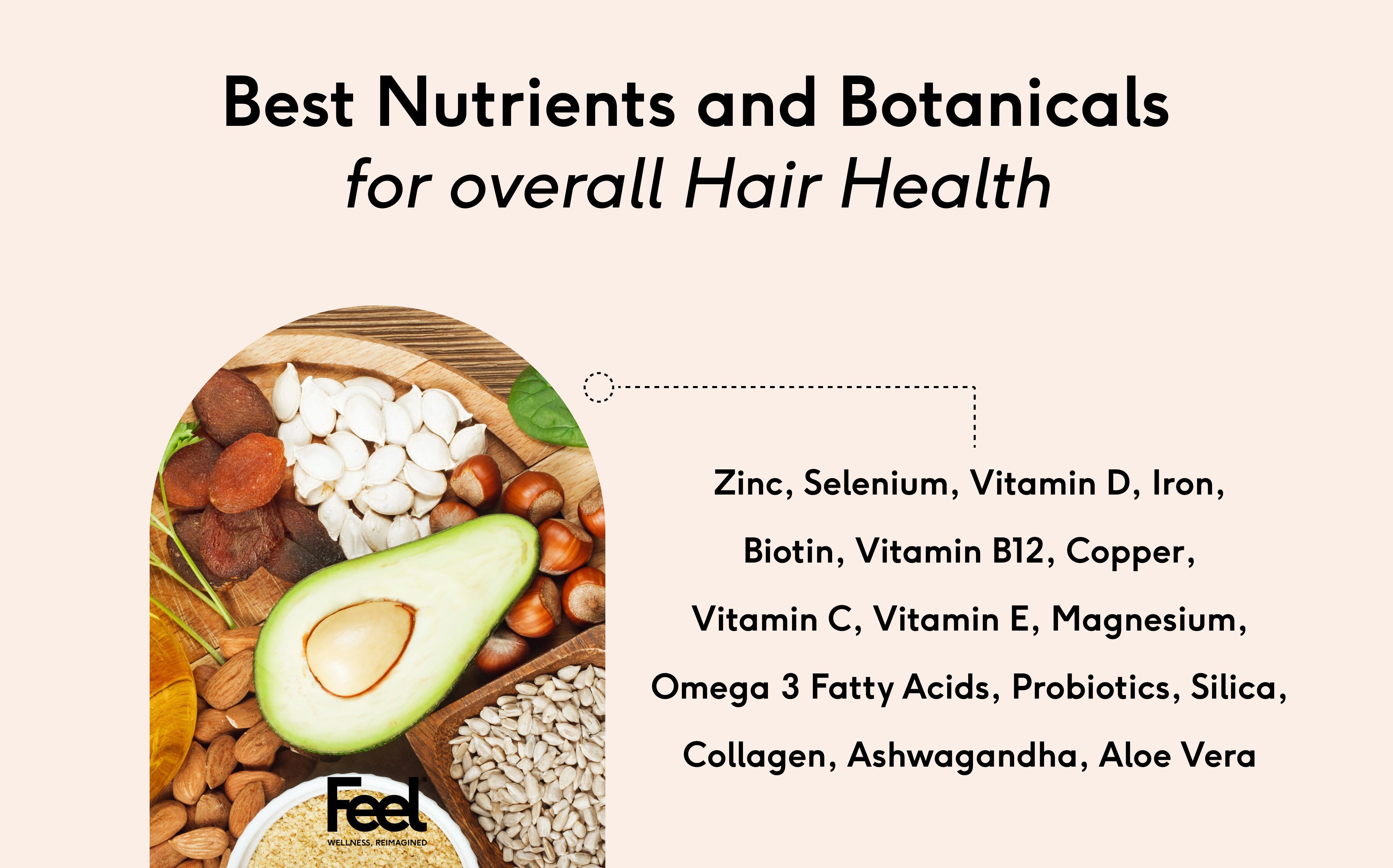
أفضل العناصر الغذائية والمستخلصات النباتية لصحة الشعر عمومًا

النظام الغذائي الصحي المتوازن خطوة أولى جيدة لتحسين صحة الشعر والمساعدة في الوقاية من تساقطه. لكن هناك أدلة تُظهر أن تساقط الشعر قد يتحسن بمكملات الفيتامينات والمعادن، إذ تلزم فيتامينات ومعادن معينة لوظيفة الخلايا ونموها الطبيعي وتساهم في بنية بصيلات الشعر 5, 6, 7.

وتؤدي المغذيات الدقيقة دورًا مهمًا في دورة نمو الشعر وبنية البصيلات وتجدد الخلايا2,4. وهناك عدد من الفيتامينات الرئيسية المرتبطة بصحة الشعر مثل فيتامين A وفيتامين B7 (البيوتين) وفيتامين C وفيتامين D وفيتامين E4، بينما ارتبطت المستويات المنخفضة في الدم من معادن مثل الحديد والسيلينيوم والمغنيسيوم والزنك بترقق الشعر وتساقطه المحتمل. ولهذا السبب، أظهرت مكملات الفيتامينات والمعادن المتعددة نتائج واعدة في تحسين صحة الشعر عمومًا5.

وتضمنت الدراسات البحثية في الأمراض الجلدية عدة عناصر غذائية هي الأكثر استخدامًا في مكملات الشعر لدعم صحة الشعر ونموه مجددًا عمومًا:

  • فيتامينات B – فيتامين B7 (البيوتين) فيتامين قابل للذوبان في الماء يساعد في إنتاج الكيراتين - وهو بروتين يشكّل شعرك وبشرتك وأظافرك8.
  • ووفقًا لبعض أطباء الأمراض الجلدية المعتمدين، يساعد حمض الفوليك في تعزيز نمو الشعر وإضافة الحجم إلى شعرك وحتى تقليل معدل الشيب المبكر من خلال تحسين عمليات إنتاج الخلايا في الجسم9.
  • فيتامين C - يساعد في التكوين الطبيعي للكولاجين في الجسم، وهو بروتين قد يساعد في تقوية الجلد عند جذور الشعر.
  • الزنك - يساعد في تعزيز المناعة عمومًا ويؤثر على عمليات الجسم مثل نمو الشعر8.
  • فيتامين D- ترتبط المستويات المنخفضة من فيتامين D بتساقط الشعر5 ومن المثير للاهتمام أن عيادات استعادة الشعر المتخصصة غالبًا ما تستخدم فيتامين D كجزء من علاجات استعادة الشعر لإدارة تساقط الشعر لدى النساء.
  • الحديد - معدن يساعد خلايا الدم الحمراء على توصيل الأكسجين إلى جميع خلايا الجسم، بما في ذلك بصيلات الشعر7.
  • قد تساعد مضادات الأكسدة مثل فيتامين C وفيتامين E في حماية بصيلات الشعر من الضرر الناجم عن جزيئات ضارة تُسمى الجذور الحرة7.

4. ما المكونات الإضافية التي قد تساعد في تحسين تساقط الشعر لدى النساء؟

  • أحماض أوميغا الدهنية – لدهون أوميغا دور في تحسين الدورة الدموية إلى فروة الرأس، مما قد يساعد بدوره في نقل العناصر الغذائية والأكسجين، فيغذي بصيلات الشعر ويشجع على نمو الشعر وصحته عمومًا. ووجدت دراسة على 120 امرأة أن تناول مكملات أوميغا 3 و6 لمدة 6 أشهر قلل تساقط الشعر مع تحسين كثافته وخفض نسبة مرحلة الانتهاء (مرحلة تساقط الشعر).
  • الألوفيرا قد تكون لها فوائد صحية للبشرة وصحة فروة الرأس وصحة الشعر لأنها تحتوي على بوليفينولات ذات خصائص مضادة للبكتيريا والفيروسات10
  • وتشمل أدوية نمو الشعر التي يوصي بها أطباء الأمراض الجلدية: المينوكسيديل الفموي (Regaine) وهو بوصفة طبية فقط للرجال والنساء في المملكة المتحدة، بينما الموضعي متاح دون وصفة طبية. وهو يستهدف تساقط الشعر الوراثي وقد يساعد في النمو الجديد. والمينوكسيديل أكثر فائدة لمن يعانون من تساقط الشعر دون سن 4010.

(الفيناسترايد أو بروبيشيا علاج فموي بوصفة طبية فقط لكنه غير مناسب للنساء.)10

  • الأشواغاندا نبتة دائمة الخضرة تُستخدم في العلاج البديل لحالات مثل التوتر والإرهاق والألم والأمراض الجلدية ومشكلات الجهاز الهضمي وتساقط الشعر. وتساعد في تعزيز توصيل العناصر الغذائية إلى بصيلات الشعر من خلال توسيع الأوعية الدموية وتحسين الدورة الدموية.
  • الكولاجينالكولاجين غني بالأحماض الأمينية التي يحتاجها جسمك لبناء الكيراتين، البروتين الذي يشكّل الشعر ويساعد في قوته وبنيته. وتشمل المصادر الغذائية للكولاجين مرق العظام ومنتجات اللحوم. لكن للأشكال الأكثر عزلًا من الكولاجين، من الأفضل تناوله في صورة مكمل12.
  • السيليكا (مستخلص نبتة ذيل الحصان) - السيليكا معدن مهم معروف بتوصيل العناصر الغذائية الأساسية إلى فروة الرأس وبصيلات الشعر. وهناك بعض الأدلة العلمية التي تشير إلى أن مكملات السيليكا قد تساعد في تقليل ترقق الشعر وتقويته13,14.

5. كيف تحسّن الفيتامينات والمعادن نمو الشعر لدى النساء؟

تعمل فيتامينات ومعادن نمو الشعر بعملية غير مباشرة، فتحسّن الصحة الفسيولوجية العامة، مما قد يؤثر في النهاية على نمو الشعر الصحي8. لكن للفيتامينات والمعادن دور مهم بالفعل في التطور الطبيعي لبصيلات الشعر، وقد يرتبط نقص هذه العناصر الغذائية بتساقط الشعر المؤقت أو الدائم. وشوهدت أقوى الأدلة على ذلك مع فيتاميني D وE ومعدن الحديد11.

6. هل تعاني النساء اللواتي يمرّن بانقطاع الطمث من تساقط الشعر؟

لم تُجرَ أبحاث كثيرة حول تساقط الشعر وانقطاع الطمث. لكن كانت هناك تقارير شخصية كثيرة عن نساء وجدن أن شعرهن يتغير أثناء انقطاع الطمث وبعده15. ومتوسط عمر انقطاع الطمث نحو الخمسين، وفي الأشهر أو السنوات التي تسبق ذلك، تلاحظ بعض النساء تغيرًا في نمط الشعر. وعادة، يتدهور حجم الشعر وحالته. وتلاحظ بعض النساء أن الشعر لا ينمو كما كان سابقًا ويبدو أن مزيدًا من الشعر يتساقط عند الغسل والتمشيط. وستمر بعض النساء، للأسف، بتساقط شعر أعمق، مع ترقق الشعر في قمة الرأس أو الجانبين أو في جميع أنحاء الرأس16. وهذا النوع من تساقط الشعر قد يكون على الأرجح بسبب انخفاض وظيفة الغدة الدرقية، الشائع في انقطاع الطمث، مع تغير مستويات الهرمونات وانخفاض مستويات الإستروجين والبروجستيرون. ويمكن لهذين الهرمونين الحفاظ على صحة الشعر، مما يتيح له النمو أسرع ويقلل احتمال تساقطه15, 16.

7. ما كمية الفيتامينات والمعادن التي يجب أن أتناولها لتقليل تساقط الشعر لدى النساء؟

من الأفضل دائمًا طلب المشورة من مقدم الرعاية الصحية لمعرفة المدخولات المحددة من الفيتامينات والمعادن وما إذا كنت تعاني من نقص أم لا، إذ سيؤثر ذلك على الجرعة. ويُشجَّع أيضًا على اتباع نظام غذائي صحي متوازن إلى جانب خيارات نمط حياة محسّنة.

وعمومًا، الكميات الموصى بها من الفيتامينات والمعادن التي نوقشت هي كما يلي، وفقًا لإرشادات هيئة الصحة الوطنية البريطانية NHS:

فيتامين D- تنصح الحكومة البريطانية بمدخول قدره 10 ميكروغرام، وإن كان كثير من الناس قد يحتاجون إلى مستويات أعلى، لذا مستوى الإرشاد هو 25 ميكروغرام.

فيتامين B12- قد يكون تناول هذا الفيتامين منخفضًا، خاصة في فئات معينة مثل من يتبعون نظامًا غذائيًا نباتيًا والبالغين المتقدمين في السن. وغالبًا ما تُعطى حقن فيتامين B12 بجرعات عالية جدًا لمن قد تكون لديهم مستويات منخفضة في الدم، لكن المدخول اليومي الموصى به هو 1.5 ميكروغرام يوميًا.

الحديد- بسبب قدرته المحتملة كمؤكسد، ينبغي تناول الحديد كمكمل فقط عند انخفاض المستويات. ويُحدَّد انخفاض مستويات الحديد على أفضل نحو بقياس مستويات الفيريتين. وتُقترح مدخولات يومية قدرها 8.7 ملغ يوميًا للرجال فوق 18؛ و14.8 ملغ يوميًا للنساء بعمر 19 إلى 50 و8.7 ملغ يوميًا للنساء فوق 50. ويُستحسن عدم تناول أكثر من 20 ملغ.

البيوتين (فيتامين B7) - يُوصى بـ 30 ميكروغرام/يوم كآمن17, 18. ومستوى الإرشاد محدد بـ 900 ميكروغرام.

8. هل يمكن أن يسبب نقص العناصر الغذائية تساقط الشعر؟

ما أنواع نقص العناصر الغذائية التي قد تسبب تساقط الشعر؟

تشير الأبحاث إلى أن نقص فيتامين B12 والبيوتين والحديد قد يرتبط بتساقط الشعر لأن هذه المغذيات الدقيقة لازمة للتطور الطبيعي لبصيلات الشعر ووظيفة الخلايا المناعية7,10. وحُدد نقص فيتامين D أيضًا كسبب محتمل لتساقط الشعر إذ لوحظ أن من لديهم فيتامين D غير كافٍ قد يكون نمو شعرهم متعثرًا19, 20.

9. من أين تشتري مكملات تساقط الشعر؟

هناك متاجر صحة وعافية كثيرة في الشارع الرئيسي ومتاجر إلكترونية تبيع مكملات الشعر مثل Feel, Amazon والصيدليات ومتاجر الأغذية الصحية.

10. كم من الوقت تحتاج العناصر الغذائية لتعمل لتساقط الشعر؟

المراحل الأربع لنمو الشعر

يعتمد هذا على عوامل كثيرة. على سبيل المثال، المكمل الذي تتناوله، وأي حالات طبية قد تكون لديك، وعافيتك الجسدية، ونظامك الغذائي، وحالة شعرك وفروة رأسك. وتشمل بعض مكملات الشعر الموصى بها فيتامينات مثل A وC وD وE، وكذلك البيوتين والزنك والحديد والمغنيسيوم والسيلينيوم وأحماض أوميغا-3 الدهنية. وقد تؤثر عوامل أخرى مثل الوراثة والأدوية ودرجة تلف الشعر جميعها على فعالية مكملات الشعر. وإذا كنت تتناول مكملًا للشعر لنمو الشعر فمن المهم تذكّر أن الأمر سيستغرق وقتًا قبل ملاحظة فروق واضحة. ولأي نقص غذائي، قد يستغرق الأمر 3 إلى 4 أشهر لإعادة تعبئة مستويات الفيتامينات والمعادن وتحسين الأعراض. وفي إحدى الدراسات حول مكملات نمو الشعر، أفاد 38% من المشاركين بتغير ملحوظ في جودة الشعر بعد شهر واحد.

11. الآثار الجانبية المحتملة لتناول العناصر الغذائية لتساقط الشعر؟

قد تكون هناك بعض الآثار الجانبية المرتبطة بتناول الفيتامينات والمعادن المتعددة (بما في ذلك الحديد) مثل الإمساك والإسهال واضطراب المعدة. لكن هذه الأعراض عادة مؤقتة وقد تحدث فقط مع الجرعات المفرطة من هذه العناصر الغذائية. وستزول الآثار الجانبية عمومًا بمجرد تكيف الجسم مع المكملات. وإذا ازداد أي من هذه الآثار سوءًا، فمن المهم التواصل مع مقدم الرعاية الصحية أو الصيدلي. ومن الآثار الجانبية الشائعة للحديد الإمساك وكذلك تحول البراز إلى اللون الأسود، لكن هذا غير ضار21.

وينبغي ملاحظة أن مكملات البيوتين قد تسبب مشكلات إذا تناولت مدخولات يومية تتجاوز مستوى الإرشاد 900 ميكروغرام. وتشمل الآثار الجانبية صعوبة النوم والطفح الجلدي والغثيان ومشكلات في إطلاق الإنسولين ومشكلات في الكلى22. وقد تتداخل مكملات البيوتين أيضًا مع كثير من الاختبارات التشخيصية، لذا من الأفضل مراجعة الطبيب إذا أُحلت لفحص دم.

وإذا كنت تتناول أدوية و/أو علاجات أخرى أو تحت رعاية طبيب لحالة طبية، فمن الأفضل دائمًا التحدث إلى مقدم الرعاية الصحية أو الصيدلي قبل تناول مكمل. وإذا كنتِ حاملًا أو مرضعة فمن الأفضل تجنب المكملات المتاحة دون وصفة طبية ما لم ينصحك طبيبك بخلاف ذلك.

المراجع

  1. https://www.sciencedirect.com/topics/medicine-and-dentistry/hair-growth

  2. https://www.intechopen.com/chapters/53880

  3. https://www.nhs.uk/conditions/hair-loss/

  4. https://www.aad.org/public/diseases/hair-loss/causes/18-causes

  5. https://www.webmd.com/connect-to-care/hair-loss/best-vitamins-for-hair-loss-prevention

  6. https://www.ncbi.nlm.nih.gov/pmc/articles/PMC6380979/

  7. https://www.healthline.com/nutrition/foods-for-hair-growth

  8. https://www.prevention.com/beauty/hair/g23724399/best-vitamins-hair-growth/

  9. الفولات (حمض الفوليك) – فيتامين B9 | The Nutrition Source | كلية هارفارد تي إتش تشان للصحة العامة

  1. https://www.medicalnewstoday.com/articles/319862#remedies

  2. https://patient.info/news-and-features/can-vitamins-really-prevent-hair-loss

  3. https://www.healthline.com/nutrition/collagen-for-hair#TOC_TITLE_HDR_6

  4. https://www.viviscal.co.uk/for-women/viviscal-woman-tablets

  5. https://www.ncbi.nlm.nih.gov/pmc/articles/PMC4938278/

  6. https://onlinedoctor.lloydspharmacy.com/uk/hair-loss-advice/menopause-hair-loss

  7. https://www.womens-health-concern.org/wp-content/uploads/2022/12/16-WHC-FACTSHEET-MenopausalHairLoss-NOV2022-B.pdf

  8. البيوتين: معلومات المكمل من WebMD

  9. https://ods.od.nih.gov/factsheets/Biotin-HealthProfessional/

  10. نقص فيتامين D وتساقط الشعر: ما الصلة؟ (healthline.com)

  11. https://dpcj.org/index.php/dpc/article/view/dermatol-pract-concept-articleid-dp0701a01

  12. https://www.webmd.com/drugs/2/drug-14339/hair-vitamins-oral/details#:~:text=Constipation%2C%20diarrhea%2C%20or%20upset%20stomach,effect%20that%20is%20not%20harmful

  13. البيوتين: الفوائد والآثار الجانبية والجرعة والتفاعلات (verywellhealth.com)

اشترك في نشرتنا الإخبارية للحصول على مقالات مشابهة ومعلومات عن المكملات الغذائية
عن الكاتب
Katy Stuart - Katy أخصائية تغذية علاجية في NHS بخبرة 18 عاماً في التغذية العلاجية السريرية الحادة في تخصصات مثل الدعم الغذائي والعناية المركزة والجهاز الهضمي والكلى. وتعمل حالياً بدوام جزئي كأخصائية تغذية علاجية للكلى، وبدوام جزئي كمدوّنة في مجال الصحة ونمط الحياة.
المقال السابق المقال التالي
20 سبتمبر 2026

هل تجعلني الألياف منتفخا؟

20 سبتمبر 2026

فجوة الألياف في بريطانيا

03 يوليو 2025

مكملات للإقلاع عن التدخين الإلكتروني: دليل شامل

1. What is the hair growth cycle? Hair growth is divided into four distinct phases. The first stage is called anagen which is the growing phase of the hair follicle where the hair seems to continuously be growing 1. The second phase is the catagen phase where hair growth stops and the hair follicle enters the resting phase known as telogen. Hairs do not grow during the telogen phase, nor do they usually fall out, instead new hairs start to form in follicles and then in the final stage known as exogen, hair becomes detached, and the cycle starts again1. 2. What causes hair loss? Hair is a protein filament that grows from hair follicles in the skin’s epidermis and consists of two parts, the hair follicle, and the hair shaft. [Hair follicle shaft in eperdermis] Hair has many functions including protection against the environment, thermoregulation, transmitting sensory information and being a resource for stem cells2. Hair is also very important for our well-being and is a major part of our personality, identity, and appearance. Hair loss can be very distressing, and the cause is not always easily identified2. It is actually a normal physiological process for healthy hair to shed hair strands on a daily basis and we lose around 50-100 hair strands a day3. However, hair loss and hair shedding can become more severe and noticeable. Possible causes for female hair loss include2, 4: Genetic hair loss - male and female patterned baldness often runs in families and is usually permanent. Illness - long periods of chronic illness can disrupt hair growth. Stress, childbirth, bereavement - as with the above, periods of emotional and physical stress can lead to physiological strain on the body and can result in hair thinning and hair loss. Cancer treatment - Radiotherapy and chemotherapy can cause hair loss as a side effect of treatment. Weight loss and malnutrition - poor diet and inadequate nutritional intake can affect hair growth and in particular iron deficiency anaemia and folate deficiency can result in hair loss. Intestinal issues - Some digestive diseases such as coeliac disease (an autoimmune condition where gluten, a protein found in wheat, barley, and rye causes intestinal damage) has been linked to possible hair loss. Therefore, following a gluten-free diet may help reduce intestinal damage and restore hair. Hair care - Over-styling, excessive heat, use of chemical hair products, poor hair care, and severe hairstyles that pull on the hair can damage the structure of the hair and lead to weakening and breakage. Age - Most people notice some hair loss with aging as the hair follicles stop functioning and hair thins, loses its colour and can recede in women. Alopecia Areata - this is an autoimmune disease where the immune system attacks the hair follicles. Hormonal imbalance - conditions such as polycystic ovarian disease and thyroid disease can affect hair growth. Infection- Scalp infections and some sexually transmitted diseases such as Syphilis can cause patchy hair loss on the scalp. Skin conditions - Skin conditions that are present in the scalp such as psoriasis can affect hair follicles and growth. Trichotillomania- is a psychological condition where the sufferer has an overwhelming urge to pull out their own hair. Poisoning- radiation exposure and heavy metal poisoning may also cause hair loss. 3. What nutrients are good for female hair loss? A healthy balanced diet is a good first step to improving hair health and helping prevent hair loss. However, there is evidence to show that hair loss may be improved with vitamin and mineral supplementation as certain vitamins and minerals are required for normal cell function and growth and contribute to hair follicle structure 5, 6, 7. Micronutrients play an important role in the hair growth cycle, follicle structure and cell turnover2,4. There are a number of key vitamins that are linked to hair health such as Vitamin A, Vitamin B7 (Biotin), Vitamin C, Vitamin D and Vitamin E4, whereas low serum levels of minerals such as Iron, Selenium, Magnesium, and Zinc have been connected to possible hair thinning and hair loss. For this reason, multivitamin and mineral supplementation has shown promising results with improving overall hair health5. Dermatology research studies have included several nutrients that are most used in hair supplements to support overall hair health and regrowth: B Vitamins – Vitamin B7 (Biotin) is a water-soluble vitamin that helps with the production of Keratin - a protein that makes up your hair, skin, and nails8. According to some board-certified Dermatologists, Folic acid helps to promote hair growth, add volume to your hair and even reduce the rate of premature greying by improving the body’s cell production processes9. Vitamin C - helps with the natural formation of Collagen in the body, which is a protein that can help strengthen skin at the hair roots. Zinc - helps to boost overall immunity and impacts body processes such as hair growth8. Vitamin D- low levels of Vitamin D are linked to hair loss5 and interestingly hair restoration specialist clinics often use Vitamin D as part of hair restoration treatments to manage female hair loss. Iron - is a mineral that helps the red blood cells deliver oxygen to all cells in the body, including hair follicles7. Antioxidants such as Vitamin C and Vitamin E can help protect hair follicles against damage from harmful molecules called free radicals7. 4. What additional ingredients can help improve female hair loss? Omega fatty acids – Omega fats have a role in improving blood circulation to the scalp which in turn can help with the transport of nutrients and oxygen, nourishing hair follicles, encouraging hair growth and overall hair health. A study in 120 females found that a 6-month supplementation with Omega 3&6 reduced hair loss while improving hair density and lowering the telogen percentage (hair shredding phase). Aloe vera may have health benefits for skin, scalp health, and hair health as it contains polyphenols that have antibacterial and antiviral properties10 Medications for hair growth recommended by Dermatologists include: Oral Minoxidil (Regaine) is prescription only for men and women in the UK, whilst topical is available without prescription. It targets hereditary hair loss and can help with new regrowth. Minoxidil is most helpful for people with hair loss under 40 years of age10. (Finasteride or Propecia is a prescription-only oral treatment but it is not suitable for women.)10 Topical immunotherapy involves treatment for conditions such as alopecia aerata. It uses chemicals that help weaken the autoimmune reaction against the hair follicle in order to reverse the condition.11 Ashwagandha is an evergreen plant that is used in the alternative treatment of conditions such as stress, fatigue, pain, skin diseases, gastrointestinal issues and hair loss. It helps to promote the delivery of nutrients to the hair follicles by dilating the blood vessels and improving blood circulation. Collagen – Collagen is rich in amino acids that your body needs to build keratin, the protein that makes up hair and helps with the strength and structure. Collagen dietary sources include bone broths and meat products. However, for more isolated forms of Collagen, it would be best to consume in supplement form12. Silica (Horsetail plant extract) - silica is an important mineral which has been known to deliver essential nutrients to the scalp and hair follicles. There is some scientific evidence to suggest that silica supplementation may help reduce hair thinning and strengthen hair13,14. 5. How do vitamins and minerals improve female hair growth? Hair growth vitamins and minerals work by an indirect process, improving overall physiological health, which can ultimately impact healthy hair growth8. However, vitamins and minerals do have an important role in normal hair follicle development and deficiency of these nutrients may be associated with temporary hair loss or permanent hair loss. The strongest evidence for this has been seen with Vitamins D and E, and for the mineral Iron11. 6. Do women going through the Menopause experience hair loss? There has not been much research done on hair loss and menopause. However, there have been many anecdotal reports of women finding that their hair changes during and after menopause15. The average age of menopause is around fifty and, in the months, or years leading up to this, some women notice a change in hair pattern. Commonly, the volume and condition of the hair deteriorates. Some women notice that hair does not grow as much as previously and more hair seems to come out when washing and brushing. Some women, unfortunately, will go on to experience more profound hair loss, with thinning hair at the crown of the head, the sides, or all over the head16. This type of hair loss could most likely be due to reduced thyroid function, common in menopause and coupled with changing hormone levels with oestrogen and progesterone levels falling. These two hormones can keep hair healthy, allowing it to grow faster and less likely to fall out15, 16. 7. How much of vitamins and minerals do I have to take to reduce female hair loss? It is always best to seek advice from your healthcare provider for specific vitamin and mineral intakes and whether or not you may be deficient, as this will influence the dosage. It is also encouraged to follow a healthy, balanced diet along with improved lifestyle choices. In general, the recommended amounts for the vitamins and minerals discussed are as follows, according to the NHS guidelines: Vitamin D- The UK government advise intakes of 10ug, although many people may require higher levels and so the guidance level is 25ug. Vitamin B12- Intake of this vitamin can be low, especially in certain groups such as those who follow a plant-based diet and ageing adults. Vitamin B12 injections are often administered in very high doses for those who may have low serum levels, however the daily recommended intake is 1.5mcg a day. Iron- Due to its potential as an oxidant, iron should only be supplemented when levels are low. Low iron levels are best determined by measuring ferritin levels. Daily intakes are suggested as 8.7mg a day for men over 18; 14.8mg a day for women aged 19 to 50 and 8.7mg a day for women over 50. It is advisable not to consume higher than 20mg. Biotin (Vitamin B7) - 30 mcg/day is recommended as safe17, 18. The guidance level is set at 900 mcg. 8. Can nutrient deficiency cause hair loss? Research suggest deficiencies in Vitamin B12, Biotin and Iron may be associated with hair loss as these micronutrients are required for normal hair follicle development and immune cell function7,10. Vitamin D deficiency has also been identified as a possible cause of hair loss as it has been noted that those with inadequate Vitamin D can have stunted hair growth19, 20. 9. Where to buy supplements for hair loss? There are many health and wellness high street stores and online shops that sell hair supplements such as Feel, Amazon, pharmacies and health food stores. 10. How long does it take for nutrients to work for hair loss? This depends on many factors. For example, which supplement you are taking, any medical conditions you may have, your physical well-being, your diet, and the state of your hair and scalp. Some recommended hair supplements include Vitamins such as A, C, D, and E, as well as Biotin, Zinc, Iron, Magnesium, Selenium, and Omega-3 fatty acids. Other factors such as genetics, medications, and degree of hair damage can all have an effect on the effectiveness of hair supplements. If you are taking a hair supplement for hair growth it is important to remember it will take time before noticeable differences are seen. For any nutritional deficiencies, it can take 3 to 4 months to replenish vitamin and minerals levels and improve symptoms. In one study on hair growth supplements, 38% of participants reported a noticeable change in hair quality after one month. 11. Possible side-effects of taking nutrients for hair loss? There may be some side effects associated with consuming multivitamins and minerals (including iron) such as constipation, diarrhoea, and an upset stomach. However, these symptoms are usually temporary and may only occur with excessive doses of such nutrients. The side effects will generally go away once the body adjusts to the supplementation. If any of these effects get worse, then it is important to contact your healthcare provider or pharmacist. A common side-effect of Iron is constipation and also causing stools to turn black, but this is not harmful21. It should be noted that Biotin supplements can cause problems if you consume daily intakes over the guidance level of 900 mcg. Side effects include trouble sleeping, skin rashes, nausea, problems with insulin release, and kidney problems22. Biotin supplementation can also interfere with many diagnostic tests, so it is best to check with doctor if being referred for a blood test. If you are taking other medications and/or treatments or under the care of a doctor for a medication condition, it is always best to speak to your healthcare provider or pharmacist before taking a supplement. If you are pregnant or breastfeeding it is best to avoid over-the-counter supplements unless advised otherwise by your doctor.